| OCR Text |
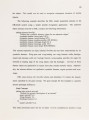
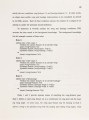
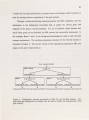
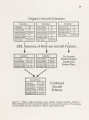
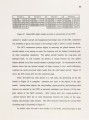
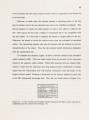
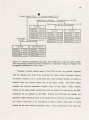
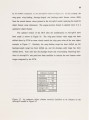
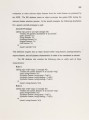
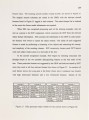
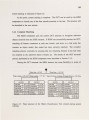
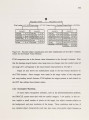
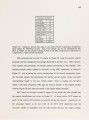
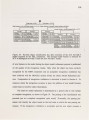
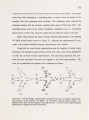
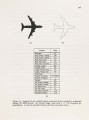
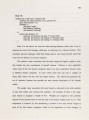
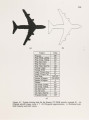
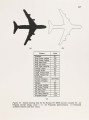
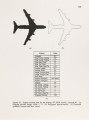
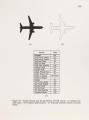
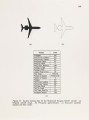
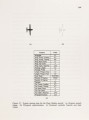
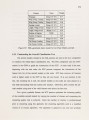
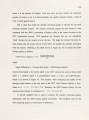
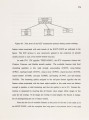
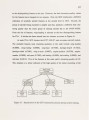
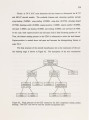
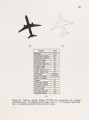
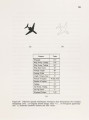
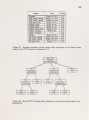
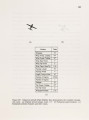
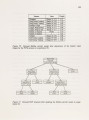
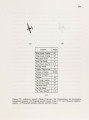
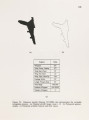
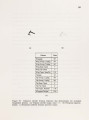
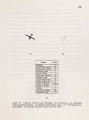
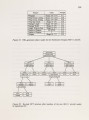
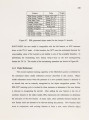
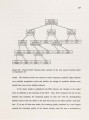
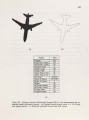
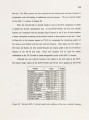
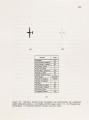
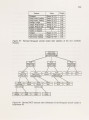
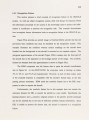
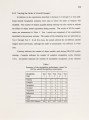
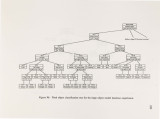
Show 171 Feature Value Weight Wingspan (Range 50' -56') 0.17 Wing Sweep, Leading (Range 95° -990) 0.10 Wing Sweep, Trailing (Range 84o-88o) 0.08 Fuselage Length (Range 30'-34') 0.12 Length, Wing-to-Nose (Range 10'-12') 0.08 Length, Wing-to-Tail (Range 9' -11 ') 0.10 Position of Engines NOSE 0.10 Number of Engines 1 0.05 Tailspan (Range 23'-25') 0.08 Tail Sweep, Leading (Range 95° -99°) 0.06 Tail Sweep, Trailing (Range 85° -89°) 0.06 Figure 59: EBL-generated object model for the Piper Malibu aircraft. 4.2.3 Constructing the Aircraft Classification Tree The aircraft models created by the EBL process are sent to the SCC component to construct the initial object classification tree. The sec component uses the information in the GDN to guide the construction of the ocr. At each node in the tree, beginning with the root node, the sec process computes the intersection of the feature lists for all the aircraft models at that node. sec then removes all features used at higher nodes in the ocr so they are not reused. H at any position in the tree, this resulting list is null, the aircraft models at that node are each placed in a leaf node descending from the current tree location. Otherwise, SCC clusters the aircraft models using each of the valid features and selects the best one. For a given symbolic feature, the SCC process optimizes the clustering quality of the available aircraft models by varying the number of clusters and computing the clustering quality that is achieved. Since the number of clusters is predetermined prior to clustering using this approach, the clustering algorithm used is a modified version of a k-means algorithm. The algorithm is updated to use only one symbolic |