| OCR Text |
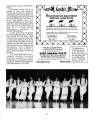
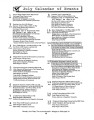
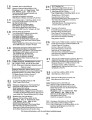
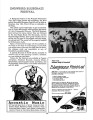
Show UTAH-SLAVIA '86 FEATURES A POTPURRI OF TRADITIONAL MUSIC, JULY 11th & 12th BY CRAIG MILLER Unique among ethnic festivals in Salt Lake City, Utah-Slavia features a potpurri of traditional music for listening and recreational dancing. At Utah-Slavia, festival goers are encouraged to participate and share the heritage of Utah's Slavic residents, to polka to live music, and to share conversation with good friends in an atmosphere that encourages celebration of the traditional arts. Utah-Slavia '86 features food, music, and dance of Utah's Slavic communities including residents of Yugoslavian, Czechoslovakian, and Polish descent. Festivities run from 7:00pm to 12:00 am Friday, July 11, and from 5:00pm until 2:00am Saturday, July 12, at the Old Mill, 6900 Big Cottonwood Canyon Road. Now celebrating its fourth year, Utah-Slavia began as an unusual coalition of recreational folkdance enthusiasts and a local ethnic community. In 1983, a group of folkdancers stumbled onto a party celebrating the wedding anniversary of two local residents of Yugoslav descent. Outside, the tavern was in keeping with its South State Street surroundings, but inside it was a different world, a different time. Middle-aged couples joined hands in a line dance in front of the bar covered with old-world delicacies including pastries, cabbage rolls, and home-made sausage. The smoke filled room was full of people singing the old songs and a tape recorder played home-taped music from scratchy old records purchased years ago in the old country. That evening the folkdancers discovered another facet of life in Salt Lake City. Utah is fortunate to have a strong tradition in Yugoslav folk music in both the accordion and the tamburitza styles, but the tradition is showing signs of age and is threatened by extinction. In the 1930's the Valley boasted an all-girl tamburitza orchestra and Marko Popovich, one of the world's most acclaimed tamburitza players outside Yugoslavia, was born in Utah in the early 1900's. Back then over one half of the work force in Utah's copper mines were Yugoslavs. Utah also has a strong tradition in accordion polka music from Yugoslavia. The 1985 Governor's Folk Art A ward was presented to accordionists John Costello and Tony Kokal Jr. whose musicianship strengthened the unity of the Yugoslav community in Carbon County for 8 decades. Although John Costello and Tony Kokal passed away recently, thanks to their efforts the accordion tradition is still alive, and the Yugoslav polka music they performed is staging a come-back in popularity. Most festival participants attend Utah-Slavia to sample the traditional food items, but the main focus of the weekend activities is music. Utah-Slavia's program is designed to breathe life into the local communities who appreciate traditional music and dance. Two separate areas are scheduled for concurrent performances by local and out-of-state musicians who will play for listening and social dancing. Local musicians include the 8-member orchestra of Folkdance Underground made up of Katie Atkins, Robert Dow, Leslie Foley, Mark Miller, Jerry Muhasky, Rita Snyder, Julian Ward, and Jana Rickel, the group's music director. The group is adept at playing accordion, clarinet, and violin tunes as well as music arranged for more exotic instruments such as |