| Title |
Leona Yates Anderson, Golden Spike Oral History Project, GS-14, American West Center, University of Utah |
| Creator |
Anderson, Leona Y., 1895- |
| Contributor |
Thompson, Gregory C. (Gregory Coyne), 1943-; Notarianni, Philip F.; University of Utah. American West Center |
| Publisher |
Digitized by J. Willard Marriott Library, University of Utah |
| Date |
1974-08-29 |
| Date Digital |
2015-06-17 |
| Spatial Coverage |
Promontory (historical), Box Elder County, Utah, United States, http://sws.geonames.org/5780007/ ; Snowville, Box Elder County, Utah, United States, http://sws.geonames.org/5781613/ |
| Access Rights |
I acknowledge and agree that all information I obtain as a result of accessing any oral history provided by the University of Utah's Marriott Library shall be used only for historical or scholarly or academic research purposes, and not for commercial purposes. I understand that any other use of the materials is not authorized by the University of Utah and may exceed the scope of permission granted to the University of Utah by the interviewer or interviewee. I may request permission for other uses, in writing to Special Collections at the Marriott Library, which the University of Utah may choose grant, in its sole discretion. I agree to defend, indemnify and hold the University of Utah and its Marriott Library harmless for and against any actions or claims that relate to my improper use of materials provided by the University of Utah. |
| Subject |
Anderson, Leona Y., 1895--Interviews; Golden Spike National Historic Site (Utah)--History |
| Description |
Transcript (34 pages) of interview by Greg Thompson and Phil Notarianni with Leona Yates Anderson on August 29, 1974 for the Golden Spike Oral History Project. |
| Collection Number and Name |
Ms0095, Golden Spike oral history project, 1947-1974 |
| Abstract |
Anderson (b. 1895) recalls growing up in the Snowville/Promontory area. Topics include cattle roundups, Kelton, Park Valley, the Houghton Store, trains, the steamboat "City of Corrine," automobiles, social activities, first radio and television broadcasts, and the marker at Promontory. Interviewed by Greg Thompson and Phil Notarianni. 34 pages. |
| Type |
Text |
| Genre |
oral histories (literary works) |
| Format |
application/pdf |
| Language |
eng |
| Rights |
 |
| Is Part of |
Inventory of the Golden Spike oral history project, 1947-1974; http://nwda.orbiscascade.org/ark:/80444/xv31866 |
| Scanning Technician |
Niko Amaya; Halima Noor |
| Conversion Specifications |
Original scanned on Epson Expression 10000 XL and saved as 400 ppi TIFF. Display image generated in Acrobat Pro X as PDF |
| ARK |
ark:/87278/s62j85xv |
| Topic |
Utah--Golden Spike National Historic Site |
| Setname |
uum_gsohp |
| ID |
865923 |
| Reference URL |
https://collections.lib.utah.edu/ark:/87278/s62j85xv |
| Title |
Page 21 |
| Format |
application/pdf |
| Setname |
uum_gsohp |
| ID |
865907 |
| OCR Text |
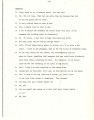
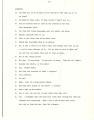
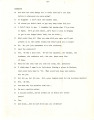
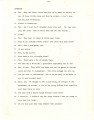
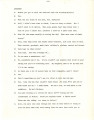
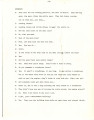
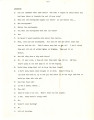
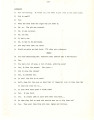
Show -19 1"' ANDERSON T: Before you got on with the railroad with the SouthemPacific? A: Yes. T: What did you think of all that, Mrs. Anderson? A: Well, I didn't have time to think, I was too busy to think. But I didn't mind it at Kelton. When some people hear they think that I must be just a little bit ••• because I lived in a place like that. N: What did the women usually do during the day? What were some of their . ? chores· A: Well, they kept house and raised their children, just like they do here. They visited, gossiped, made their children's q~othes, washed and ironed .•. N: Very busy in other word~? A: Very busy. And then evenings we •• ; T: So you were a seamstress, too? A: Oh, everybody had to be. If you couldri't sew someone else would do your sewing and you'd do something else. My neighbQf used to do my hair and I'd do her sewing. N: So there was a lot of mutual help in that connnlrlnity, wasn't there? A: Yes. N: That's something you don't see too often in tqis day ·and age. 'I A: Yes. ·Like the man that couldn't make bread. He said, "I'lt pay you to make bread for me." I made bread. We had a cow , we sold :'milk to the neighbors. We had chickens. N: You were telling us a little bit about the"Y" siding and the . roundhouses in Kelton. Could you explain those a little more? Where was the siddng out there in Kelton? A: Well, the main line came through and then if they wanted to bring in from the East when they were ~oming from the east they would put in |
| Reference URL |
https://collections.lib.utah.edu/ark:/87278/s62j85xv/865907 |