| OCR Text |
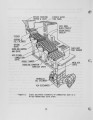
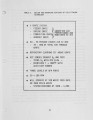
Show Abstract The current situation in waste combustion is one of large projected growth in an environment of escalating regulatory requirements. The use of a non-polluting auxiliary fuel such as natural gas to address some of the complex combustion technical questions has never been systematically investigated. GRI has expanded its program on gas technologies for emissions control from utility power boilers to investigate gas firing techniques in mass burn, RDF, and other waste combustion equipment. The benefits expected from the implementation of these techniques include improved combustion efficiency, reduced organic emissions, reduced NOx emissions, lower cost control technology alternatives, and potentially other operating benefits. Work which has begun on NOx and trace organic control from a mass burn incinerator, and work planned on RDF-gas cofiring for organic emission control will be described. 1.0 Introduction The nation is currently faced with a crisis pertaining to the management of industrial and residential by-products of a modern technological society. Our society produces vast quantities of waste both in the home and in the workplace. The waste may be bulky, hazardous to handle, and, in many instances, toxic. The waste materials are being generated in ever increasing amounts and options for disposal are disappearing. Dumping waste in a hole, i.e. landfilling, is no longer acceptable. Regulations arising from the 1984 Amendments to the Resource Conservation and Recovery Act (RCRA) severely limit the practice of landfilling for many hazardous waste streams. In addition, many municipalities have run out of room for depositing residential solid wastes in sanitary landfills and are turning to alternatives. At the same time, many existing landfills have been found to be ineffective and must now be removed and disposed of in a comprehensive manner. The EPA concedes 1 |