| OCR Text |
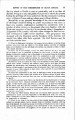
Show 20 REPORT OF THE COMMISSIONER OF INDIAN AFFAIRS. COMMERCIAL AGENT FOR THE SIOUX. From several of the Sioux reservations complaints have come that the Indians who had had no commercial training were discouraged because of their inability to market advantageously the products of their farms. Here was an opportunity to give timely assistance, and so I decided to try the experiment of having another agent furnished by the Government who should bring products and markets together, just as Mr. Dagenett had brought laborers and employers together. In December, 1906, the position of commercial agent for the Sioux was established and Henry J. Phillips, then superintendent of the In'dian school at Chamberlain, S. Dak., was transferred to the new position. He had had many years of experience with the Indians and was especially interested in this feature of civilization among the Sioux. During the last six months he has spent some time on every Sioux reservation except Standing Rock in North Dakota. He found that the Indians of the Yankton and Sisseton reserva-tions were doing well enough without aid. They had farms and would have considerable surplus crops besides food products for their own use, and were capable of marketing their crops and transacting their business. On the other hand, few allottees in the Rosebud, Crow Creek, Lower BrulB, P i e Ridge, and Cheyenne River reserva-tions were found to be living on their allotments or making any serious efforts to cultivate them. By visits at their homes and by conferences with the Indians in council, Mr. Phillips has endeavored to induce them to go upon their allotments and raise crops for mar-ket; but he reports the immediate outlook not very promising, since this season on most of the reservations nothimg but a little garden truck has been planted. Moreover, many of the allotments are such that an experienced white farmer would find it difficult to cultivate them with any profit. Most of the allottees seemed anxious' to better their condition; but if they are to become self-supporting as farmers, these Indians must have land which will produce crops, as well as be encouraged to till it and he assisted in procuring a market for what-ever they produce. For myself, I hold very radical views on this whole subject. I do not believe that these Indians as a rule will ever make a success of farming, no matter what particular branch they pursue, or no matter how much they are assisted at the outset. I consider the policy of trying to make every Indian into a farmer whether he will or no, which has come down to me through so many years of failure, all wrong in conception and therefore impracticable in execution. But so many good persons still cling to the old notion, that I am stretching every resource at my command to give it the most favorable experiment possible. Among the obstacles which stand in the way of their becomh aelf-supporting by farming and stock raising, Mr. Phillips includes |