| OCR Text |
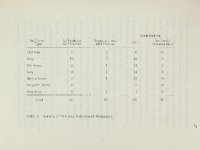
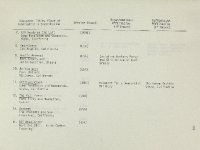
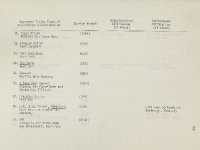
Show 26 role in the anti-war movement by recognizing and tapping potential dissent within the younger enlisted ranks of the centers of dissident Vietnam War, military itself. pol itical activity and strong objection the GI coffeehouses were As to the likely places for underground paper.s to flourish. 5. Finally, the GI underground can Service Branch. according to service branch: Marine COt'ps. papers The writer found Although members of all to the Uniform Code of differences indication that underground dependence or four major armed services news Merchant sub are each service branch's reaction to dis Interestingly, found in the were United States Military Justice, it was thought that might exist between sent within its ranks. papers no or appeared in either the United States Coast Guard Marine. ject Army, Navy, Air Force, be categorized Army. most of the locally distributed This may result from the upon the draft for manpower Army's needs during the Vietnam War. Although one of the most widely publicized cases involving a military underground centered around the publishing activities of Journalist Seaman Apprentice Roger L. Priest (publisher of OM), the major thrust of the underground movement seems at basic to have occurred in the Army, often training facilities targeted by the United States Service men's Fund and other anti-war groups directing propaganda at troops. Results of Categorization Table 1 the tics shows a classification of GI undergrounds according to categories explained above. begtn 1. Here, some interesting characteris- to emerge: Of the 120 papers examined, all were classifiable as pub- |