| OCR Text |
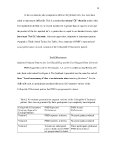
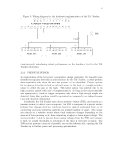
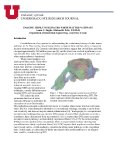
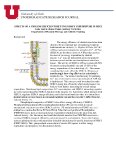
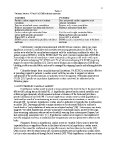
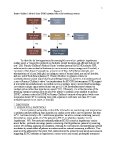
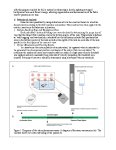
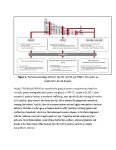
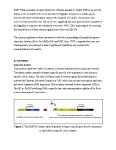
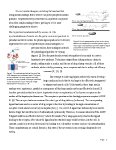
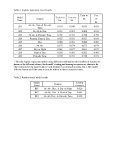
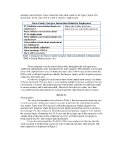
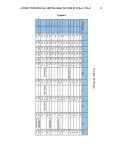
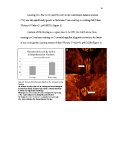
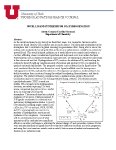
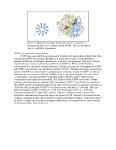
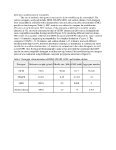
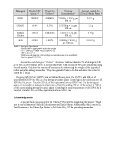
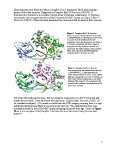
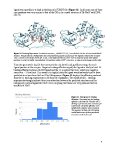
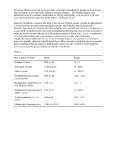
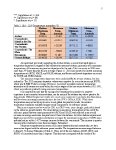
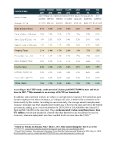
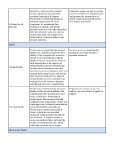
Show 2 cannulation (figure 1) in which blood is removed from either the vena cava or the right atrium and returned to the right atrium following oxygenation and warming [25]. Cannulae are generally placed in the vena cava or directly into the right atrium; however, in the event of a dual cannulation, cannulae are placed in the common femoral vein and right internal jugular or femoral vein [25]. Figure 1: Diagram of cannulation sites for venovenous ECMO (VV ECMO) VV ECMO is only indicated in patients that are hemodynamically stableiv but experiencing respiratory compromise (in this patient, the ECMO is intended to provide respiratory support) [25]. If hemodynamically unstable, patients must be placed on venoarterial (VA) ECMO. VA ECMO is used in the extremely unstable patients that require both cardiac and respiratory support. The ECMO circuit “is connected in parallel to the heart and lungs, while in VV ECMO the circuit is connected in series to the heart and lungs” [25]. In VA ECMO (figure 2), blood bypasses both the heart and lungs and is pumped through the ECMO machine to take their place oxygenating and pumping the blood [25]. Cannulae are placed in the right atrium or vena cava to drain the blood and in the femoral, carotid, or axillary arteries to reintroduce oxygenated and heated blood. VA ECMO is indicated in stage HT III with cardiac instability or HT IV [8]. Table 2 [25] demonstrates the differences in indications and capabilities between VV and VA ECMO. Figure 2: Diagram of cannulation sites for venoarterial ECMO (VA ECMO) |