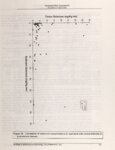
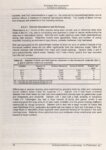
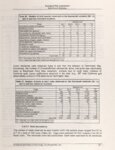
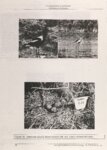
| OCR Text |
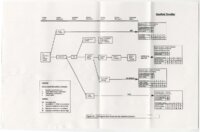
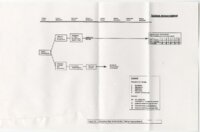
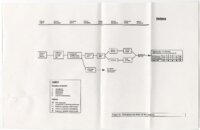
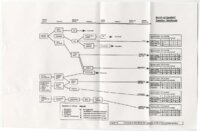
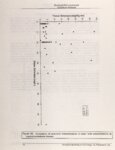
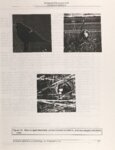
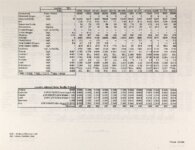
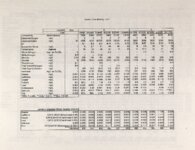
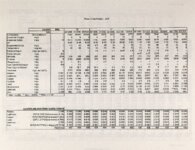
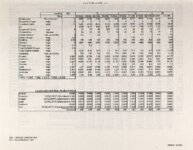
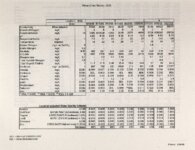
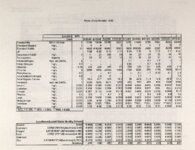
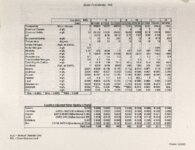
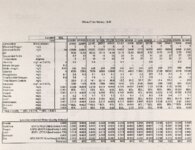
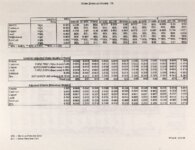
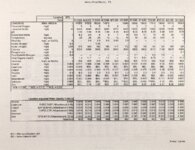
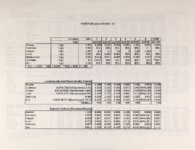
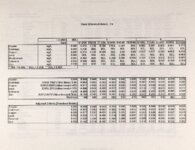
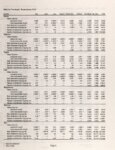
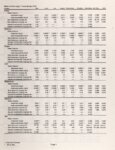
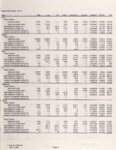
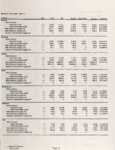
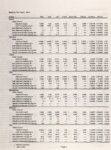
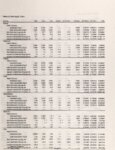
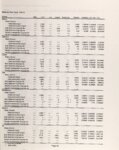
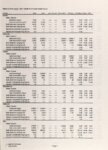
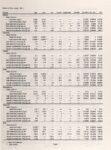
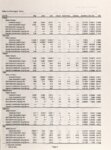
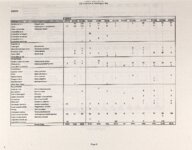
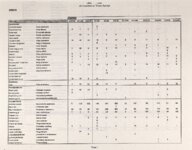
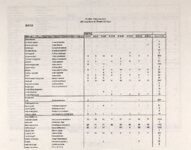
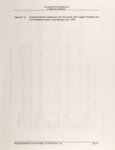
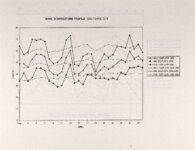
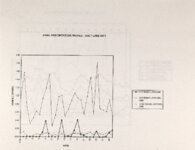
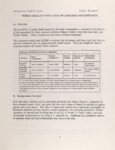
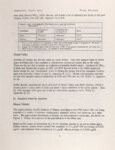
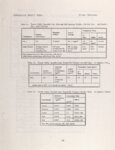
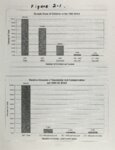
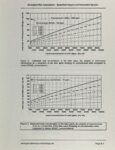
Show Endangerment Assessment July 1995 3. Phase III Removal Bingham Creek, U'I EPA Region VIII Superfund Hazardous Waste Management Division . Strength of Scientific Evidence for Remedial Risk Reduction a. IEUBK, SEM, PbB, Arsenic, Vegetation, Publicity, etc. The IEUBK model was given more strength and weight of evidence by EP A compared to the SEM, since the UBK model was composed of and built upon broader, repeated, and" at least partially validated sets of data along with good verification of results for some NPL sites. The SEM was judged to simply not have the resolution power necessary to predict future PbB values as well as the UBK model can do that task. When comparing relative predictiveness of the two models (see Life Systems' report pages 5-5 and 5-6 compared directly to the May 23 UC report's 12 23 pages 29 to 30 and 25-26; these are included on th following pages as Figures 2-3, 2-4 and 2-5), it is readily apparent that the UBK model is superior in predicting the higher PbB values which are where the health concerns exist for EPA (even if the GM of the UBK model is not able to fit the poorly quantitative PbB results (due to MDL issues plus the general lack of exposure and the uncertain post-removal and publicity confounders). The cummulative frequencies shown by graphs for both models again support that, while both models underpredict higher-end PbBs which are the health risk concern region, the UBK model provides a closer fit to those upper end risk values. The problem for the SEM is that it CAN'T validly and scientifically quantitate the results with sufficient confidence and certainty as discussed above. As mentioned on page 19 of this EA, this EHLS design would have been nearly ideal for sites where higher and more widely distributed soil Pb and associated blood lead levels existed, but that is not the situation at Bingham Creek -- Phase ill. While the UBK is not contended to necessarily be a perfect model (there is no such thing), it does have some strength and success in predicting PbBs that have shown good agreement with measured values at some sites, and it is currently the best available tool for predicting PbB from environmental sources of Pb. Page 31 |