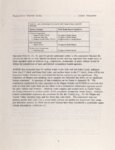
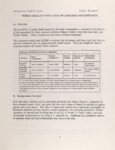
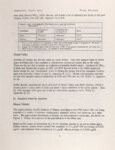
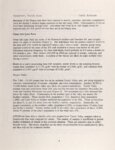
| OCR Text |
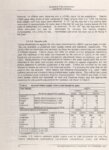
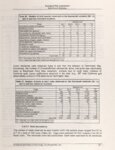
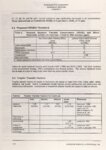
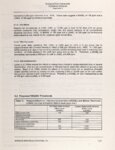
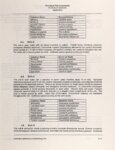
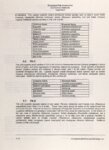
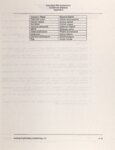
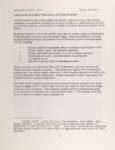
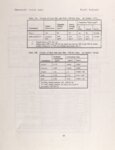
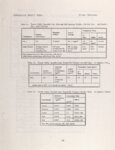
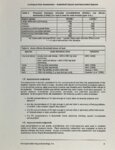
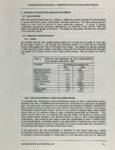
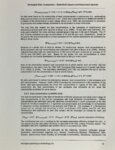
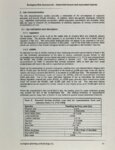
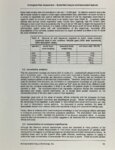
Show Ecological Risk Assessment Southshore Wetlands Appendix 1 occurred at 2,000 ppm (Hamilton et al., 1979). LOAEL of 250 ppm for herbivorous birds. These data suggest a NOAEL of 125 ppm and a 9.1.2 Wild Birds Mallards fed Zn-carbonate at 3,000, 9,000, or 12,000 ppm in food for 60 days (n=6 per group) exhibited decreased food consumption, weight loss, and severe paralysis at all concentrations (Gasaway and Buss, 1972). A NOAEL of 125 ppm and a LOAEL of 250 ppm for herbivorous birds should be set, based on the Japanese quail sensitivities. 9.1.3 Wild Mammals given diets containing 500, 1,500, or 3,000 ppm Zn (n=3 or 5 per· group) due to supplementation with Zn-oxide showed no effect at 500 ppm (Straube et al., 1980). At 1,500 ppm, death occurred in 21 days in two out of five animals, and the remaining three were in extremely poor condition. All three animals in the 3,000 ppm group died by day 13. Therefore, a NOAEL for mammalian carnivores is 500 ppm Zn with a LOAEL at 1,500 ppm Ferrets .. 9.1.4 Soil Invertebrates Larsen et al. (1994) studied the effects of various heavy metals in sludge-amended soils on several invertebrates. Zinc at a soil concentrations of 150 ppm had no observable effects on ground or web spiders. Beyer et al. (1984) studied the effects of Zn-contaminated soil on woodlouse (Porcel/io scaber Latreille) survival by feeding lice litter containing 5,000 or 20,000 ppm Zn for eight weeks. Survival was reduced in both treatment groups. Therefore, a NOAEL for soil invertebrates is set at 150 ppm with a LOAEL at 5,000 ppm. 9.2 Proposed Wildlife Thresholds Table 13. Proposed Maximum Tolerable Concentration (NOAEL) and Effects. Thresholds (LOAEL) for Zinc in Feed for Wi,ld Animals (ppm d.w.) Herbivorous birds No Observable Adverse Lowest Observable Adverse Effect Level Effect Level (NOAELl (LOAEL) 125 250 Insectivorous birds Carnivorous birds 692 750 500. 1,000 Carnivorous mammals 500 Invertebrates 150 1,500 5,000 Ruminants Other herbivorous mammals Insectivorous mammals ecological planning and toxicology, inc. 1-21 |