| OCR Text |
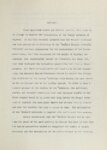
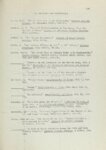
Show 56 By 976 A. D., the min.129 revenue From 1128 A. D. alone reached from to 1134 A. 980,000 min a trade amounted to foreign year.130 D., the Fatimids rise of the D., Canton and profits.131 Chuan-chou collected 2,000,000 min from trade The revival of trade in Chuan-ohou revenue In 1159 A. 300,000 activity in China coincided with the in Egypt whose economic policy rivaled that of • cAbbasid caliphate. In addition to this challenge posed by the c - - Fatimidsj the persistent troubles of a1- Iraq caused by the Zanj • Qarmatians reduced the flow of trade and later the to the Persian e GU1f.132 As result, merchants abandoned their houses and migrated a to other commercial We find them settled in Southern India centers. and North Africa. In the middle of the famous al-MascudI geographers and fourth/tenth century al-IstakhrI reported the that Arab e(i established.133 settlements in Southern India had become well - - were Arab colonies in There Daybul, Balhara, al-Mansurah, and Multan, and " other c- - - Al-Mas udi also reported that in Saymur alone, places. the present 'Bombay, there was a Muslim community of about 129Min, theory a was the term for a string of frequently used during the Sung and string should contain one thousand cash, transaction a smaller number among other terms, coinsr-fhis term was In earlier times. but in actual 10,000 I, I: round near was often accepted. See Lien-sheng Yang, Money and Cr,edit in China, a Short History (Cam bridge a Harvard University Pressjl 1952), ':pp 34-35. 13QChang Hsing-lang, 131Chang Hsing-langj Chung-hsi chiao-t'ungj pp 248-25 Hirth and Rockhill, pp 18-19(jj 132C1• tion of Syra 284-252 The complete segrega Cahen, "Buwayhidsjii pe 1355" Mesopotamia brought -about by the Fitmid and from Byzantine conquests 133El11o ot also contributed to its decline in trade r: , , Ii 24-270 II I! ,I pp II |