| OCR Text |
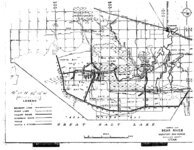
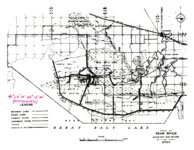
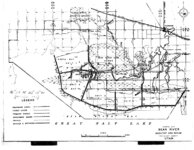
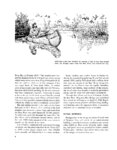
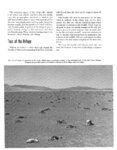
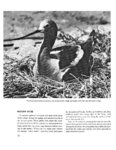
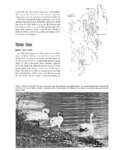
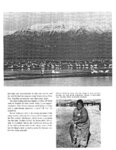
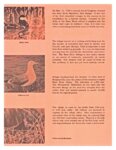
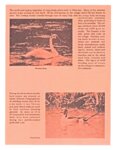
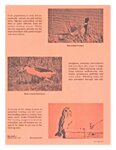
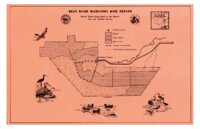
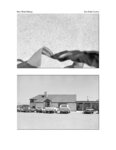
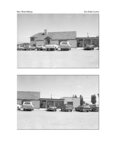
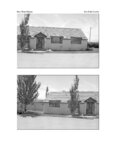
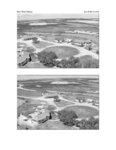
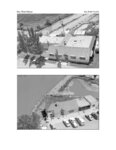
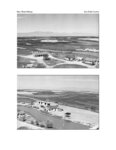
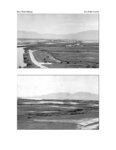
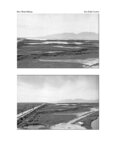
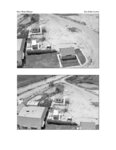
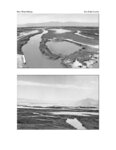
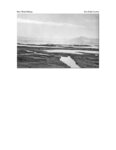
Show Artist Bob Hines has pictured his concept of how it may have looked when Jim Bridger came down the Bear River and entered the bay. River Bay in October 1849. "The marshes were covered by immense flocks of wild geese and ducks among which many swans were seen, being distinguishable by their size and the whiteness of their plumage. I had seen large flocks of these birds before, in various parts of our country, and especially upon the Potomac, but never did I behold anything like the immense numbers here congregated together. Thousands of acres, as far as the eye could reach, seemed literally covered with them, presenting a scene of busy, animated cheerfulness, in most graceful contrast with the dreary, silent solitude by which we were immediately surrounded." The first settlers arrived in the valley of the Great Salt Lake in 1847. Because of the aridness of the land irrigation was necessary to grow crops, and water from the Bear River was used extensively for this purpose. As settlements grew the demands for water from the Bear River and its tributaries became intense, and by the early 1900's little remained of the once extensive marshes at the mouth of the river. Loss of habitat combined with unrestricted hunting cut deeply into the great waterfowl flocks. From 1877 to 1900, market hunters killed more than 200,000 ducks annually and shipped them to eastern markets. 4 Avian botulism was another factor in further reducing the waterfowl populations. It was first noticed around 1900, and in 1910 about half a million ducks died near the mouth of the Bear River during late summer. In an effort to save the rapidly dwindling waterfowl and habitat, large portions of the remaining marsh areas were bought or leased by sportsmen's groups and the Utah Fish and Game Commission. Through their efforts and those of Federal officials, the Bear River Migratory Bird Refuge was established by a special act of Congress on April 23, 1928. Its primary purpose was to preserve suitable resting, feeding, and breeding areas for migratory birds. A secondary objective was to minimize losses to botulism. REFUGE ACTIVITIES Headquarters of the refuge are about 15 miles west of Brigham City, and consist of an administration building, a research laboratory, residences, and several utility buildings. Rest rooms, drinking water, camping, and picnic areas are provided for visitor comfort . . There is also a 100 foot tower which offers a fine view of the refuge and surrounding area. |