| OCR Text |
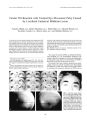
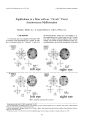
Show Journal of Neuro- Ophthalmology 18( 1): 25- 29, 1998. © 1998 Lippincott- Raven Publishers, Philadelphia Steroid- Responsive HIV Optic Neuropathy Ben J. L. Burton, M. R. C. P., Alex P. Leff, M. R. C. P., and Gordon T. Plant, M. D. A 37- year- old man with bilateral optic neuropathy who recovered on steroid treatment is described. He was subsequently found to be human immunodeficiency virus 1 ( HIV- 1) positive prior to the onset of his visual symptoms, and no other cause of his optic neuropathy could be found. There is some evidence that HIV itself may be a cause of symptomatic optic neuropathy. A spontaneously relapsing and remitting multiple sclerosis- like syndrome has previously been described in HIV-positive patients, and this may present with optic neuritis. A chronic optic neuritis in HIV- positive patients that is not usually symptomatically important has also been described. We review the literature related to these topics and our patient. Key Words: HIV- Optic neuropathy- Steroid responsive. Human immunodeficiency virus 1 ( HIV- 1) infection may be associated with optic neuropathy because of secondary infections due to syphilis, tuberculosis, crypto-coccus, histoplasma, herpes zoster, or cytomegalovirus ( 1- 8). More recently, cases have been described in which optic neuritis has occurred in conjunction with a spontaneously relapsing and remitting multiple sclerosis ( MS)- type illness in HIV- 1- positive patients ( 9). There has also been a case of an HIV- positive patient who had a spontaneous remission of optic neuropathy not associated with any other pathogens or evidence of MS ( 10). We report a remarkable case of bilateral optic neuropathy in an HIV- 1- positive man whose severe visual failure recovered fully following treatment with steroids. No cause other than HIV- 1 infection could be found for his optic neuropathy. CASE REPORT A 37- year- old married student from Zaire who had lived in the United Kingdom for 7 years presented with a 3- week history of a sharp pain in his left eye; the pain was unrelated to eye movements. He developed a rapidly progressive decrease in vision in the same eye over the course of a few days. At 2Vi weeks after the onset of Manuscript accepted 6/ 17/ 97'. From the National Hospital for Neurology and Neurosurgery ( B. J. L. B., A. P. L., G. T. P.) and Moorfields Eye Hospital ( G. T. P.), London, England. Address correspondence and reprint requests to Dr. G. T. Plant, National Hospital for Neurology and Neurosurgery, Queen Square, London WC1N 3BG, U. K. symptoms, he developed visual loss in his right eye, again progressing over a few days. His only medication was ibuprofen. On admission, he had visual acuity of 2/ 60 OD and no perception of light OS. His right eye visual field was full to hand movements, but he was unable to identify colors anywhere in the field. The vitreous and anterior segments of both eyes were quiet. Funduscopy revealed peripapillary nerve fiber- layer swelling and hyperemic discs, and fluorescein angiography showed no frank leakage at the disc and minimal staining only ( Fig. 1). He had a left relative afferent pupillary defect. His eye movements were normal, and there was no proptosis. He had no accompanying neurological signs or symptoms and was systemically well. INVESTIGATIONS Computerized tomographic imaging of his head showed normal intracranial appearances. Results of magnetic resonance imaging ( MRI) of his head and orbits were normal, other than high signal on two slices in the anterior part of the left optic nerve and in at least one slice of the right anterior optic nerve ( Fig. 2). The findings on chest radiograph were normal. Cerebrospinal fluid ( CSF) examination showed protein of 0.67 g/ L, glucose of 2.7 mmol/ L, and an elevated white cell count of 23/ mm3; 78% of the white cells were lymphocytes, 3% reactive lymphocytes, and 17% macrophages. No organisms or fungi were seen. Oligoclonal bands were present in the CSF, and the serum was also positive but with fewer bands. CSF and serum were tested for herpes zoster virus and Epstein- Barr virus by polymerase chain reaction, but these tests were negative. CSF cryptococcus antigen was negative. CSF treponemal serology was negative [ rapid plasma reagin ( RPR) and Treponema pallidum hemagglutination assay ( TPHA)] CSF angio-tensin- converting enzyme ( ACE) was 1.29 1U/ L (< 1.20 IU/ L), which was of uncertain significance. Serum ACE was 39 IU/ L ( 16- 59 IU/ L). Serum treponemal serology was negative ( TPHA and RPR). A toxoplasma dye test was negative, and a latex agglutination test showed no evidence of toxoplasma exposure. Blood results showed normal glucose, renal profile, and thyroid function. Gamma- glutamyl transpeptidase was marginally raised at 128 IU/ L ( 8- 78 IU/ L), and total protein was raised at 89 g/ L ( 63- 82 g/ L), but the results of other liver function 25 26 B. J. L. BURTON ET AL. FIG. 1. Fundus photographs of the right and left eyes show the optic discs and the peripapillary region ( top paneis). AT this stage, rne left eye had loss of vision for 17 days and the right eye has had loss of vision for 9 days. Both discs are mildly hyperemic, and swelling of the peripapillary nerve fiber layer was considered to be present clinically, more marked in the right eye. The fluorescein angiogram shows mild staining of the optic discs bilaterally, although the significance of this is questionable. tests were normal. Immunoglobulins showed raised IgG at 21.6 g/ L ( 4.0- 18.0 g/ L) but normal IgA and IgM. C- reactive protein was 8 mg/ L (< 5 mg/ L), and erythrocyte sedimentation rate was 23 mm/ h ( 1- 15 mm/ h). Autoantibodies and antineutrophil cytoplasmic antibody were negative. The sickle test was negative, serum vitamin B12 was 1,261 ng/ L ( 223- 1,132 ng/ L), and folate was 164 | xg/ L ( 186- 596 | xg/ L). A Mantoux test was negative. A full blood count showed hemoglobin of 14.7 g/ dL, white cell count of 3.1 x 10⁹/ L ( lymphocyte count of 1.2 and neutrophil count of 1.6), and a platelet count of 153 x 109/ L. He declined an HIV test during this admission. On the assumption that this was an acute bilateral optic neuritis of inflammatory origin, possibly granulomatous, the patient was treated with a 3- day course of 1 g methylprednisolone intravenously per day. He was then started on prednisolone 60 mg once daily. Six days after the start of this treatment, his visual acuity had improved to 6/ 24 ( 6/ 9 with a pinhole) in the right eye and 3/ 60 in the left eye. A month later, his visual acuity was 6/ 9 OD and 6/ 6 OS. Ishihara plates were all correct with the right eye, but he made four errors out of 13 with the left eye. His steroids were reduced until 12 weeks, at which point his acuity and color vision had returned to normal in both eyes, with full visual fields. He stopped taking steroids after 16 weeks despite being advised to continue with a dose of 10 mg/ day, but his vision remained stable. When he was readmitted 8 months after his original symptoms started, he had a 2- week history of irrational behavior, confusion, poor memory and, on admission, he had developed a global aphasia. MRI scan showed multiple ring- enhancing lesions consistent with cerebral ./ Neuro- Ophlhalmol, Vol. IS, No. I, 1998 STEROID- RESPONSIVE HIV OPTIC NEUROPATHY 27 FIG. 2. Magnetic resonance coronal short- tau inversion recovery images through the orbits show increased signal in both optic nerves extending more posteriorly on the left { arrow). toxoplasmosis. He was treated empirically with sulfadiazine and pyrimethamine. He improved for a day or two before becoming much worse and died 3 weeks after admission. His family refused a postmortem. An HIV- 1 test was positive ( HIV- 2 negative), and stored serum from his original presentation 8 months earlier was also tested and this was also positive. DISCUSSION The cause of optic neuropathy in HIV patients is often not discovered, and current opinion seems to be that these patients should be treated for syphilis unless there is clear evidence of another cause ( 11). At least one such case in the literature has been diagnosed as syphilitic optic neuroretinitis on the basis of a good clinical response to penicillin despite negative syphilis serology ( 12). Our patient was not treated with penicillin, treponemal serology was negative, and he improved with systemic steroids. However, patients with previously positive syphilis serology can lose reactivity on retesting. This occurs in 7% of asymptomatic HIV- positive patients ( a similar percentage as the normal population), but in 38% of symptomatic patients who are HIV positive ( 13). There have been examples of visual improvement following treatment with steroids in cases of optic nerve syphilis, but this has been in the context of intravenous penicillin treatment prior to the initiation of steroids ( 14). In HIV- positive, untreated syphilitic patients, inappropriate systemic steroid treatment has caused a clear worsening of the patient's condition ( although topical therapy can improve associated uveitis) ( 2,15). Hence, it is not likely that our patient had syphilis. Cytomegalovirus cannot have been the cause of our patient's optic neuropathy, given the absence of retinal changes and the complete visual recovery ( 16). Optic nerve head ischemia from posterior choroidal artery involvement causing visual loss with subsequent partial spontaneous recovery has been described in HIV-positive patients. Fluorescein angiography and the complete recovery of vision rule out this diagnosis in outpatient ( 17). Another possibility is that our patient actually had a granulomatous, steroid- responsive optic neuropathy, such as is seen in sarcoidosis, which was unrelated to his HIV infection. It is difficult to make this diagnosis without histological confirmation. Sarcoidosis and HIV infection have certainly been reported before in the same patient, but it is unclear whether HIV may actually predispose a patient to sarcoidosis ( 18). Our patient subsequently died from what was probably either cerebral toxoplasmosis or a cerebral lymphoma. Toxoplasma has been known to cause papillitis and optic neuritis in acquired immune deficiency syndrome ( AIDS) patients ( 19,20), but complete recovery of vision following steroid treatment would not have occurred if this had been the diagnosis in our patient. Lymphoma is a known cause of optic neuritis, and steroid treatment may result in a complete recovery ( 21). We cannot completely exclude this as a possible cause of our patient's optic neuropathy, although there were no features to suggest infiltration on funduscopy or MRI and he did not have a relapse following withdrawal of steroid therapy. Our conclusion is that the optic neuropathy we observed in our patient may have been causally related to his HIV infection. It is known that HIV may cause optic neuropathy from secondary infection or neoplastic disease ( 2), but we found no evidence of any such cause in our case. We cannot exclude this being a coincidental inflammatory optic neuropathy, but, in view of the previously reported cases in which a direct causal link has been proposed between HIV infection and optic neuropathy ( 22), we believe that if more such cases are reported there will be increasing evidence of a causal link. From the literature, there appear to be two ways in which HIV infection alone has been implicated in optic neuropathy. Firstly, there is now increasing evidence that HIV involves the optic nerve in a chronic process that may not be symptomatically important. Visual evoked J Neuro- Ophllmlmol, Vol. 18. No. I. 1998 28 B. J. L. BURTON ETAL. potentials have been shown to be reduced in HIV-positive patients ( 23) compared with age- matched controls, although some opportunistic infections and treatment with zidovudine were not controlled for or excluded in that study. Morphological studies have shown that the number of retrobulbar nerve fibers in patients with AIDS is decreased compared with normal optic nerves ( 24) even in the absence of opportunistic eye infections, and the authors considered that the pattern and extent of optic nerve axon loss were not compatible with all the damage being secondary to retinal infarcts ( cotton- wool spots). A significant decrease in color discrimination has also been demonstrated in HIV- positive patients without retinitis ( 25), although patients with evidence of HIV- related retinopathy were included in this study. Another study has demonstrated the presence of HIV in the optic nerve ( 26). Infected macrophages have been suggested as the most likely cause of optic nerve degeneration in these patients ( 26,27). Secondly, an acute optic neuropathy has been described as part of an MS- like syndrome in HIV- positive patients. Berger et al. ( 9) have described a series of these patients. In some of their cases, optic neuropathy with spontaneous improvement did occur, and they point out that the chance association of MS and HIV is probably inadequate to explain the number of similar cases they have seen in their institution. A more severe fulminating MS- like leukoencephalopathy has also been described in HIV- positive men ( 28). It is unclear whether HIV- 1 is directly responsible for an illness resembling MS or whether it unmasks a predisposition to develop MS or interacts with other viruses to cause demyelination ( 29). Bilateral optic neuropathy with subsequent remission has been reported by Newman and Lessell ( 22), who described two patients who were HIV positive, one of whom improved with azidothymidine ( AZT) and the other improved with oral steroid treatment. Both patients had received prior treatment with penicillin despite negative syphilis serology. Their steroid- treated patient also had a myelopathy consistent with MS. Neither patient had evidence of any infective or malignant cause of the optic neuritis other than HIV. A case of unilateral optic neuropathy that resolved spontaneously has been described in an HIV- positive patient who went on to develop what was thought to be a cerebral lymphoma and subsequently died ( 10). Once again, there was no evidence of any other infective cause of the optic neuropathy. More recently, HIV- positive patients with severe clinical symptoms of optic neuropathy of unknown cause have shown some recovery with pentoxifylline, although formal studies and case reports have not yet been published ( 30). Steroid responsiveness may be a feature of HIV-associated optic neuritis as exemplified by our case and one of the two cases reported by Newman and Lessell ( 22). We would therefore recommend treatment with steroids in this situation. However, as pointed out by others ( 11), concomitant treatment with penicillin may be advisable because syphilitic optic neuritis cannot be excluded even in patients in whom syphilis serology is negative. REFERENCES 1. Zaidman GW. Neurosyphilis and retrobulbar neuritis in a patient With AIDS. Ann Ophthalmol 1986; 18: 260- 1. 2. Winward KE, Hamed LM, Glaser JS. The spectrum of optic nerve disease in human immunodeficiency virus infection. Am J Ophthalmol 1989; 107: 373- 80. 3. Golnik KC, Newman SA, Wispelway B. Cryptococcal optic neuropathy in the acquired immune deficiency syndrome. J Clin Neuro Ophthalmol 1991; 11: 96- 103. 4. Lipson BK, Freeman WR, Beniz J, et al. Optic neuropathy associated with cryptococcal arachnoiditis in AIDS patients. Am J Ophthalmol 1989; 107: 523- 7. 5. Yau TH, Rivera- Velazquez PM, Mark AS, et al. Unilateral optic neuritis caused by histoplasma capsulatum in a patient with the acquired immunodeficiency syndrome. Am J Ophthalmol 1996; 121: 324- 5. 6. Litoff D, Catalano RA. Herpes zoster optic neuritis in human immunodeficiency virus infection. Arch Ophthalmol 1990; 108: 782- 3. 7. Gross JG, Sadun AA, Wiley CA, Freeman WR. Severe visual loss related to isolated peripapillary retinal and optic nerve head cytomegalovirus infection. Am J Ophthalmol 1989; 108: 691- 8. 8. Grossniklaus HE, Frank KE, Tomsak RL. Cytomegalovirus retinitis and optic neuritis in acquired immune deficiency syndrome. Ophthalmology 1987; 94: 1601^ t. 9. Berger JR, Sheremata WA, Resnick L, Atherton S, Fletcher MA, Norenberg M. Multiple sclerosis- like illness occurring with human immunodeficiency virus infection. Neurology 1989; 39: 324- 9. 10. Sweeney BJ, Manji H, Gilson RJC, Harrison MJG. Optic neuritis and HIV- 1 infection. J Neurol Neurosurg Psychiatry 1993; 56: 705- 7. 11. Smith JL. Rapid response of syphilitic optic neuritis to posterior sub- Tenon's steroid injection and bilateral optic neuropathies with remission in two HIV- positive men. J Clin Neuro Ophthalmol 1992; 12: 8- 9. 12. Halperin LS. Neuroretinitis due to seronegative syphilis associated with human immunodeficiency virus. ./ Clin Neuro Ophthalmol 1992; 12: 171- 2. 13. Hass JS, Bolan G, Larsen SA, Clement MJ, Bacchetti P, Moss R. Sensitivity of treponemal tests for detecting prior treated syphilis during human immunodeficiency virus infection. J Infect Dis 1990; 162: 862- 6. 14. Tomsak RL, Lystad LD, Katirji MB, Brassel TC. Rapid response of syphilitic optic neuritis to posterior sub- Tenon's steroid injection. J Clin Neuro Ophthalmol 1992; 12: 6- 7. 15. Passo MS, Rosenbaum JT. Ocular syphilis in patients with human immunodeficiency virus infection. Am J Ophthalmol 1988; 106: 1- 6. 16. Mansour AM, Li HK. Cytomegalovirus optic neuritis: characteristics, therapy and survival. Ophthalmologica 1995; 209: 260- 6. 17. Brack MJ, Cleland PG, Owen RI, Allen ED. Anterior ischaemic optic neuropathy in the acquired immune deficiency syndrome. BMJ 1987; 295: 696- 7. 18. Lowery WS, Whitlock WL, Dietrich RA, Fine JM. Sarcoidosis complicated by HIV infection: three case reports and a review of the literature. Am Rev Respir Dis 1990; 142: 887- 9. 19. Falcone PM, Notis C, Merhige K. Toxoplasmic papillitis as the initial manifestation of acquired immunodeficiency syndrome. Ann Ophthalmol 1993; 25: 56- 7. 20. Grossniklaus HE, Specht CS, Allaire G, Leavitt JA. Toxoplasma gondii retinochoroiditis and optic neuritis in acquired immune deficiency syndrome. Ophthalmology 1990; 97: 1342- 6. 21. Perkin GD, Clifford Rose F. Optic Neuritis and its Differential Diagnosis. Oxford: Oxford University Press, 1979: 87. 22. Newman NJ, Lessell S. Bilateral optic neuropathies with remission in two HIV- positive men. J Clin Neuro Ophthalmol 1992; 12: 1- 5. ./ Neuro- Ophthalmol, Vol. IS. No. I, 1998 STEROID- RESPONSIVE HIV OPTIC NEUROPATHY 29 23. Malessa R, Agelink MW, Diener H. Dysfunction of visual pathways in HIV- 1 infection. J Neurol Sci 1995; 130: 82- 7. 24. Tenhula WN, Xu SZ, Madigan MC, Heller K, Freeman WR, Sadun AA. Morphometric comparisons of optic nerve axon loss in acquired immunodeficiency syndrome. Am J Ophthalmol 1992; 113: 14- 20. 25. Quiceno JI, Capparelli E, Sadun AA, et al. Visual dysfunction without retinitis in patients with acquired immunodeficiency syndrome. Am J Ophthalmol 1992; 112: 8- 13. 26. Sadun AA, Pepose JS, Madigan MC, Laycock KA, Tenhula WN, Freeman WR. AIDS- related optic neuropathy: a histological, viro-logical and ultrastructural study. Graefes Arch Clin Exp Ophthalmol 1995; 233: 387- 98. 27. Johnson RT. The virology of demyehnating disease. Ann Neurol 1994; 36: S54- 60. 28. Gray F, Chimelli L, Mohr M, Clavelou P, Scaravelli F, Poirier J. Fulminating multiple sclerosis- like leukoencephalopathy revealing human immunodeficiency virus infection. Neurology 199l; 41: 105- 9. 29. Berger JR, Toinatore C, Major EO, et al. Relapsing and remitting human immunodeficiency virus- associated leukoencephalomyel-opathy. Ann Neurol 1992; 31: 34- 8. 30. Sadun AA, Petrovich MS, Madigan MC. Pentoxifylline: clinical application in human immunodeficiency virus- associated optic neuropathy. Ann Neurol 1995; 38: 483. J Neum- Ophthalnwl, Vol. IS, No. I, 1998 |