| OCR Text |
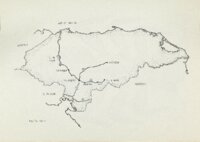
Show FAMILY CAENIDAE Genus Te adults of Each antennal fore is coxae long as this_genus pedicel the as body, slightly longer than veins; and of one veirnMP2 the male The three first 3-6 to segment segment single produce extend are and a is to each the as long as long wing there the as each fore following. leg as are the scape; the males in the femur and few very cross wing base; the posterior margin slightly convex; each forceps has only caudal filaments present. bodies; extremely are twice the tibia twice in the characterzed by the venter; on tarsus; have flat nymphs slender and have second with the IMP be approximately gnital forceps segment; can together close are is 1833 Caenis·Stphens the minute ventral single, quadrate, prominent, single platelike, claws each and and on the legs are small and denticles; the gills of the opercualte; the gills of the filamentous; gills gill having the on segment margins deeply fissured marginal fringe. Distribution Extremely widespread, Palearctic, Oriental, Nearctic, and tropical south to Argentina and Neo Chile. Central American records There are no records of this genus having been collected in Central America. Three "kinds" of designated as Caenis nymphs were species A, B, and C, and found are in Honduras and are briefly described below. |