| OCR Text |
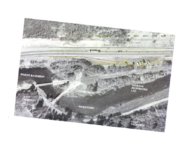
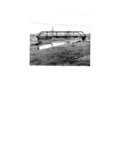
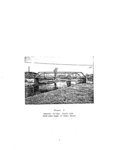
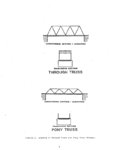
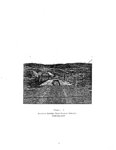
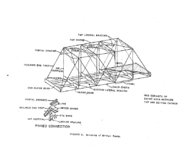
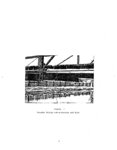
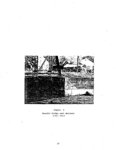
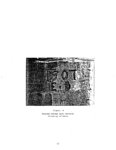
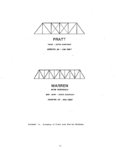
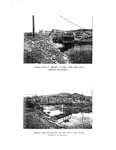
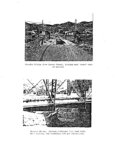
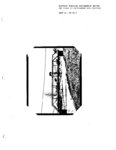
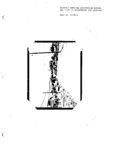
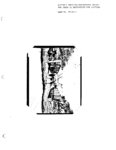
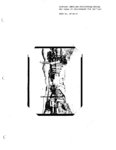
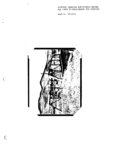
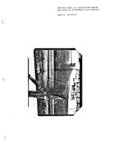
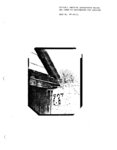
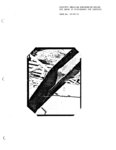
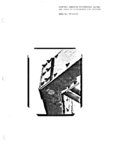
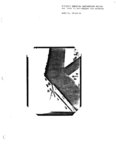
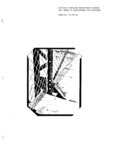
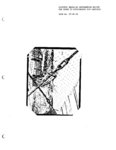
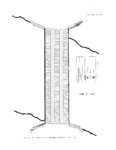
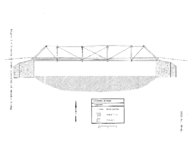
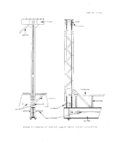
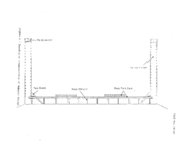
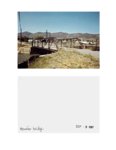
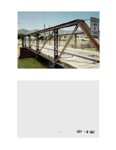
Show History of Henefer Bridge No historical data could be located on the bridge, its designer or its builder. Other historical sources yielded no information on the bridge's history, but a general history of this type of bridge is known. . Metal · truss bridges . began to be designed and used in the early l840s, and were of two basic types: Pratt and Warren (Comp and Jackson 1977) (Figure 11). These bridges replaced most of the wooden types and became the most popular designs between 1850 and 1925 (Comp and Jackson~977). The design called for the use of "many small pieces or members to make a long truss that provided the length and strength necessary" (Comp and Jackson 1977). Henefer Bridge fits into this category of truss bridges, although it is not as common a bridge as it once was. Most truss bridges were through-truss types, with struts and braces across the top connecting the top chords. Henefer is a pony-truss, without top bracing, and is a classic truss Pratt design. "Unfortunately, this variety is endangered by many bridge demolitions and replacement programs" (Comp and Jackson 1977). Significance Statement _.. Henefer Bridge cannot be connected to any historical person, place or event to make it eligible for the National Register of Historic Places. It has significance, however, as an architectectural entity and a member of a vanishing structure type. On this basis, the . bridge should be eligible for inclusion on the Register. RECOMMENDATIONS CRMS suggests four possible options be considered by Engineering, the City of Henefer and the USHPO: Uintah 1. On-site preservation: If the bridge can continue to safely handle current and future transportation needs of the community, then the bridge should be repaired where needed, and maintained without destroying its historical integrity. 2. Removal to another location: If the bridge cannot be maintained in its current location, or is: unable to meet the current or future needs of ·local transportation, then it should be removed to a location where its historic integrity can be maintained. 3. Additional bridge: This would entail the addition of a second bridge next to the current one, thus allowing continued use and maintainence of the present bridge. 13 |