| OCR Text |
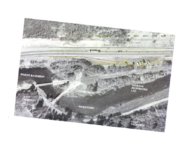
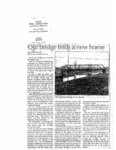
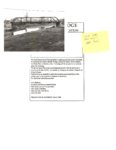
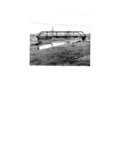
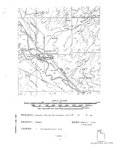
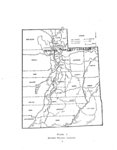
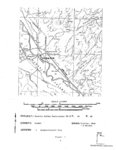
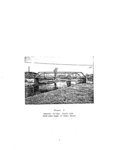
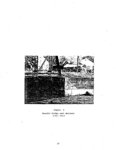
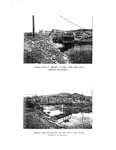
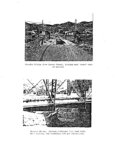
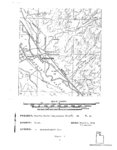
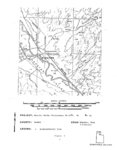
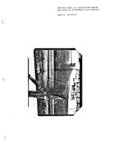
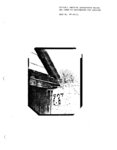
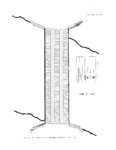
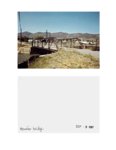
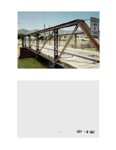
Show INTRODUCTION On 30 October 1985, Don Southworth, of the Cultural Resource Management Services (CRMS), Brigham Young University, completed a cultural resource inventory of the proposed Henefer Bridge replacement on SR-30 over the Weber River. The work was requested by Mr. Troy Ostler, P.E., of Uintah Engineering and Land Surveying, Vernal, Utah. The City of Henefer has asked that the bridge be removed and a new structure put in its place. The project was supervised and. reviewed by Asa Nielson, Principal Investigator for CRMS. All of the work was carried out under authority of Utah State Antiquities Permit Number 67ls. Field conditions were excellent, with ground visibility at 100%. LOCATION The proposed bridge replacement is just east of. the community of Henefer (Figure 1) in Summit County, Utah. The old bridge carries SR-30 over the Weber River. The survey area is in the SWI/4 NWI/4 SEI/4 of Section 4, T3N R4E (Henefer Quadr,a ngle, Utah 7.5-minute series-topographic). ENVIRONMENT The survey area is within the Wasatch Hinterlands Section of the Middle Rocky Mountains (Stokes 1977). The bridge spans the Weber River, a meandering stream which has deposited extensive layers of clay, sand and gravel throughout the Quaternary Period. Most of this material is derived from the nearby Cretaceous Henefer and Paleocene/Eocene Wasatch Formations (Hintze 1980). Vegetation is comprised of completely modern species. Grazing of pasture lands extends to the river's edge on both sides. Grasses, thistle and occasional rabbitbrush have replaced what was once a lush riparian vegetation. . The only native wildlife observed were rodents, crows and magpies. A variety of fish and migrating waterfowl exist along this portion of the river. 1 |