| OCR Text |
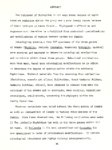
Show INTRODUCTION The of the MUstelidae is difficult to phylogeny of the wide and comparatively rapid adaptive radiation a fossil record is occupied dense forest habitats. Furthermore, interpret lacking because because within the family. primitive mustelids the A brief summary of what is known of the fossil records follows. The mustelids Eocene were derived from Epoch (Colbert, 1955). mustelids It Oligocene Epoch. Colbert stated that was Romer major groups fishers; 2) origin (1968) were established. separation and molars. recognizes It is believed that the case. in the old short world, probably in the region stated that at the close of the Miocene three wolverines and His basis for premolars of the first developed carnassial teeth; and expanded brain and long mustelids had their of India. one early fissiped that possessed the typical an mustelid characteristics of well a weasel-like miacid of the late Plesictis, which appeared at the beginning of the was face with a They were 1) weasels, honey badgers; 3) skunks, was made primarily on twenty-five otters and badgers. modifications of the in Anderson and Jones Stains, five subfamilies and martens and. (1967), presently genera of mustelids existing today. Phylogenetic certainties will probably family. their be known within his Whatever the final taxonomic status is within this believe that as never a knowledge behavior, conclusions can of the gross will need be be ascribed. family, anatomy of the animals, employed as well before decisive taxonomic Osteological I modifications reflect the |