| OCR Text |
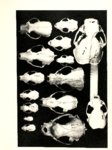
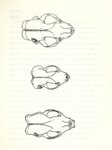
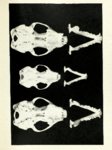
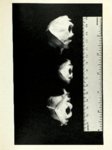
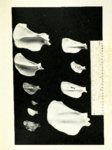
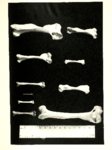
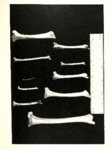
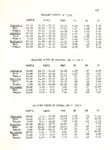
Show ABSTRACT The of Mustelidae is not well known because of phylogeny adaptive radiation within the group and of their habitats in dense forests. poor fossil record because a Phylogenetic affinities and sequences must therefore be established from anatomical and modifications of various members within the Osteological materials (Mephitis, of skunks were 167 specimens from examined and measured to determine then family. of the three genera osteological similarities Behavioral correlations made, based upon osteological modifications in to determine the specializations striped; Conepatus, hognosed; Spilogale, spotted) and variations within these three groups. were rapid degree of specialization within the an effort subfamily Mephitinae. Skeletal materials from the remaining four sbfamilies (Mustelinae, weasels and allies; Melivorinae, honey badgers; Melinae, badgers; Lutrinae, otters), osteology were of the skunks and to examined to compare them with the correlate, when possible, significant osteological implications, concerning the phylogeny within the family Mustelidae. Numerous variations as well as 1) The observations, the subfamily Mephitinae (as well is valid. most noted between the three genera of skunks similarities of skunks to various other members of the From these family. were 2) Spilogale specialized osteological is the most in terms of structures are following conclusions as the three genera within generalized osteological and Conepatus modifications. 3) it) the Certain highly variable intergenerically. ri made: were |