| OCR Text |
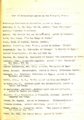
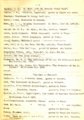
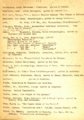
Show so, we erto must attribute most all the suPposed to be the work of the Mediterranean. perhaps includeJ the Iberians. in the mountains of Bulgaria. in seen the' igur-ians, together in many Pelasgians of a: sme with heaps sight 'Croatfa; L ting and remains-- exist in Dalmatia". of all the streams bearing, and, 'no 'b''t1bt, Range, from them .". >1 _ . ... as ... lor ... same Nestu81 was more Simflar The sanda less or sands Dagh), Pundhar gold are gold spur of silver mines and hey a said were that to have been that Philip of Macedon (358 B.C.), 1000 talents over of th'e Hebrus (now times once Nestus the Maritza), the (now are gold ($12,OOO,OOO) of called the Cara- gold bearing streams, furnished The noted for considerable gold These Thasos, opposite Island of its gold. and silver mines. rivers the In mouth fact, rise of the this " seotion of the country was rich in minerals great mining districts of ancient times; of these parts 'Oorfu. v mountains. - Whole in can still be ores, + v in ancient in the The annua l.Ly, well as . .i..J. •.... read reopenedj and oBtained had them Sou), also Thrace 001- of (Del Mar). Thracians. the ancient We qulte produotive. Greece,-- washed 'by the ancfent people. in inci'ent Thrace'; once'worked by' were were of Bosnia,' Servia, 'localfties e'i1tioned: a.r e Pangaeus Mountains "(now called: In the the Balkan the and silver 'of-'gold parts of refuse-- the-h-ouses of should and,,:we furnace', composed structures -in' "m-rnes know that Albania, Dalmatia', almost -in Albania, We the The remains oS'sal hewn at ones , later PhoenicianS to the old Pelasliana, (anciently) by were' worked a.nd the stock" that were hi th mining operations were expert metallurgists. and the and was ancient one of the Thracians |