| OCR Text |
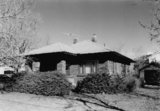
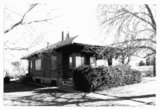
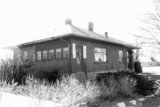
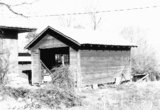
Show NPS Form 10-900-a Utah WordPerfect 5.1 Format (Revised Feb. 1993) OMB No. 10024-0018 United States Department of the Interior National Park Service National Register of Historic Places Continuation Sheet Section No. 7 Page 1 Cullimore, William and Lizzie, House, Orem, Utah County, UT Narrative Description The William and Lizzie Cullimore house, built in c.1907, is a one-story brick bungalow on a raised limemortar and fieldstone foundation. The house is a typical example of the Prairie School-type common throughout the state at the time. Square in plan with a porch extending from the west half of the front (south) facade, the narrow end faces the street which is common for Prairie style bungalows. One half of the rear facade is a small enclosed porch of wood-frame and drop-siding construction. Attached to the east rear of the house is a wooden shed, approximately 5' x 8' of frame and wooden plank construction which encloses a basement stairway. The roof is low and pyramidal, extending approximately two feet out from the house, with a hipped extension over the front porch which rests on two square, brick piers. Many other stylistic elements of the Prairie style are exhibited in the house including tall brick chimneys, rectangular, wood-framed casement windows with concrete lintels, and bead-board soffits. There are exterior storms over the original windows. The brick and wood elements are still in very good condition, showing little, if any, alteration over the last ninety years. A few feet to the northeast of the house is a garage, possibly from c.1920, constructed of wood frame and horizontal plank construction. This building, although still standing, is in fair-to-poor condition and appears to not be in use at this time. There are several mature trees around the property and lined along the east border. Next to the house on the front facade are several large, low juniper shrubs. Approximately 1/4 acre of open property remains to the east of the house, but all of the rest of the land now contains housing. Neither of the families who have lived in the house have made any major changes to the house, it remains in mostly original condition, and it contributes to the historic qualities of Orem. See continuation sheet |