| OCR Text |
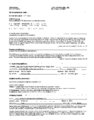
Show NPS Form 10-900-a Utah WordPerfect 5.1 Format (Revised Feb. 1993) OMB No. 10024-0018 United States Department of the Interior National Park Service National Register of Historic Places Continuation Sheet Section No. _8_ Page _4_ Echo School, Echo, Summit County, UT Education in Utah Schools in Utah were established within a few weeks of the Mormon pioneer's settlement in the Salt Lake Valley in 1847. These early schools were subsidized by parents until 1850 when a public fund was established by the territorial government for the support of common schools. The 1880 Utah legislature passed an act creating school districts and authorizing a tax for buildings. These districts were organized using Mormon ward meetinghouses as schools. During this time the curriculum and quality of instruction varied dramatically between districts. Schools reflected Mormon community values and provided Mormon scriptures as supplemental texts. In the 1860s the office of schools was created to promote the consolidation of districts by counties, making administration more efficient, and standardizing curriculum statewide. 17 In addition to the growing number of public schools, private elementary and secondary schools were being established by Congregational, Presbyterian, and Methodist mission boards during 1867-1900. These schools were established in an effort to convert Mormon youth and to meet the needs of the growing non-Mormon, or gentile, population who were settling in Utah. These schools provided a much more rigid curriculum, certified teachers, and free tuition. Most met with little success among Mormons and few continued to operated after the 1890s. However, they did have a lasting role as models for public education. 18 Education in nineteenth-century Utah was influenced by the conflict between Mormons and nonMormons. However, influence during the twentieth century focused on local circumstances and more on national social, economic, and political environments. In fact, it closely mirrors many national educational issues such as demands for the consolidation of schools during the early part of the century, and children's welfare issues promoted during the Progressive Era. Utah's response to these movements during the Progressive era gained national attention and its concern for the welfare of children in and out of school was evident. 19 While the first schools had been constructed during the second half of the 19th century of log, lumber, or adobe, a few years later more substantial brick and frame buildings were constructed. More attention was paid to the physical comforts of the teachers and pupils at that time, however, even these buildings left much to be desired. Utah voters then amended the constitution to require cities and Buchanan, Frederick S. "Education in Utah", Utah History Encyclopedia. Salt Lake City: U of U Press, 1994, p. 154. Ibid. Powell, A.K., editor. Utah History Encyclopedia. Salt Lake City: U of U Press, 1994, pp. 153-55. X See continuation sheet |