| OCR Text |
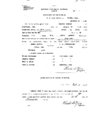
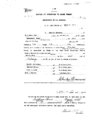
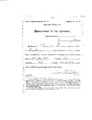
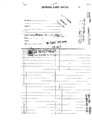
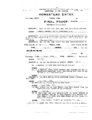
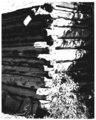
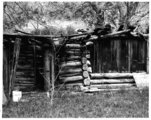
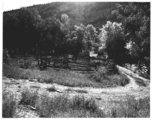
Show NPS Form 10-900a (Rev. 8/86) 0MB No. 1024-0018 NPS/CHS Word Processor Format (Approved 03/88) United States Department of the Interior National Park Service NATIOHAL REGISTER OF HISTORIC PLACES CONTINUATION SHEET Section number __8 Page __1 The significance of the Remund Ranch as the oldest surviving European/American residence in the area of northwest Duchesne County, Utah, is documented by the records filed by Charles Simmons in the Homestead process which ultimately led to a full patent (grant of private ownership) by the U.S. General Land Office on June 26, 1913. (Rather typically, the owners did not file a copy of the patent document, no. 344144, with the Duchesne County Recorder until June 25, 1928, but it had legally been their property for fifteen years.) This is the earliest patent granted by the General Land Office under Homestead, Sale, or any other method in the entire region of the county, as revealed by the Recorder's Office and a master file book of land patents in the National Archives. The area had been a part of the Uintah Reservation of the Ute Tribe until the early twentieth century when the General Land Office opened it to entry under the various land distribution laws. However, the Land Office did attach some additional restrictions directly into the patent that were not part of patents on typical federal lands. 8 The opening of previously withdrawn lands to Homestead is a major theme in the history of the Western U.S. A series of major "Land Rushes" in Oklahoma, formerly known as "Indian Territory," have defined much of that State's character. (Even the nickname "Sooner State" reflects the trick of a few slipping into an area "too soon" before legal opening to claim choice lands.) The U.S. Congress opened a portion of the Ute Tribes Uintah Reservation to non-Indian Homesteads by an Act of May 27, 1902. Members of the tribe selected lands: 80 acres per head of family, 40 for all other members. The purpose of opening the lands was to raise additional cash for the tribe which was "land poor." The same act allotted some $70,064 to the tribe for various medical expenses then current. Further the Act specified that those entering the lands for the purpose of Homestead would |