| OCR Text |
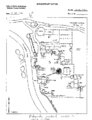
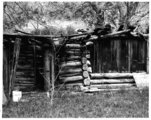
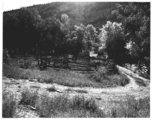
Show NPS FORM 10-900a (Rev. 8/86) 0MB No. 1024-0018 NPS/CHS Word Processor Format (Approved 03/88) United States Department of the Interior National Park Service NATIONAL REGISTER OF HISTORIC PUCES CONTINUATION SHEET Section number __7 Page __3 described below, all three can be reasonably documented as having been on the site by 1913. The middle shed has no exterior doors but is entered through a door opening from the western most shed. A small door covering a hole in the ground stands just east of the three connected cabins. 4 A system of corrals at the north end of the complex is also of axe hewn log construction as is a fence which encompasses the entire ranch complex. The western portion of the corrals, in a circular shape, suggests that is was designed for horses. The eastern portion of the corrals which consist of parallel logs suggests use for cattle or other livestock. A portion of an irrigation ditch runs along the southern edge of the corral just north of the log sheds. All of the log construction is of hardwoods which were of the same species currently present along the stream. The most important is the box elder, a member of the maple family and quite common in the area. However, cottonwood trees, less useful for construction, are also present in numbers. A small structure noted as a pavilion of 20 ft. by 15 ft. has a gabled roof of wooden frame construction, supported by upright logs, but no walls. Next to the pavilion is a circular plaza approximately 15 ft. in diameter which consists of flat stones. The stones surround a porcelain bathtub sunken to the ground level which served as a barbeque pit. A proper description of this feature is also that of a structure rather than a building. Neither the pavilion and the barbeque pit appear on any records of the Assessor's office but the cattle operators added them, probably in the 1940s. Hence both are non-contributing to the nomination though present in the area. 5 Charles Simmons completed an application to take legal ownership of the lands under Homestead Laws, on February 10, 1913. This process is also called going to patent with |