| OCR Text |
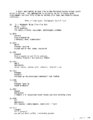
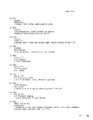
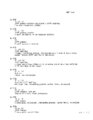
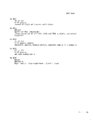
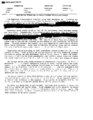
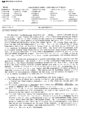
Show 7. Description Condition excellent y good 5* _v/fair deteriorated unexposed Check one __ unaltered altered Check one *'" original site moved date Describe the present and original (if known) physical appearance The Westwater Canyon Archeological District is an area encompassing recorded archeological sites. All sites in the area are either in Westwater Creek Canyon (i.e. the floodplain or the cliff walls) or above the walls on the plateau. from the exceptions noted in Item 10. Westwater Creek trends south as part of the Cottonwood Creek drainage system to the San Juan river. Intermittent tributaries as well as springs feed the can roughly ~witfi~me pinyon/juniper sagebrusn vegetation belt or tne Upper Soneran Life Zone. The topsoil of White Mesa is a reddish brown sandy loam of aeolian and alluvial origin dating to late Pliestocene and Holecene times. Directly beneath the topsoil is a thin-capstone of mixed Dakota Sandstone and Burro Canyon Formation. Below that is IVforrison formation whose various members form the canyon walls of every major canyon in the vicinity of White Mesa. Vegetation varies according to soil conditions; pinyon/juniper predominate where topsoil is thin. Where alluvium or aeolian deposits are, deep sagebrush predominates. Subordinate plants include snakeweed, various cacti, yuccas, flowers and weeds. In the canyon itself can be found gooseberry, wild currant, green grape and squawbush. Along the creek banks willow predominate and in a few areas there are clumps of cattails. The entire canyon area shows evidence of prehistoric occupation. W. Hurst (1976) describes, ". . .a nearly continuous scatter of stone flaking debris and stone tools ... The whole area between the hilltops on either side of the canyon and the canyon rim is therefore considered to be a quarry . . . and not assigned a number ". Sites described as lithic scatter are found within the quarry zone. They are assigned site numbers because of the concentration of flaking debris is heavy and for grinding implements are present. The major anomaly in site distribution is the lack of sites near the natural bridge (located north of 423a4781). Hurst suggests there was an intentional avoidance by the Anasazi. This conclusion is merely surmise, but it is the case that no sites are within 100 m. of the natural bridge. No sites are identified as pre-ceramic. Although most cultural evidence consists of the lithic debris and quarry zones, Hurst assumes the lithic material is necessarily associated with the nearby ceramic or Basketmaker habitation sites. Again, this conclusion is hasty. A closer technological examination of the lithic debris may show evidence of an early culture. |