| OCR Text |
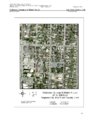
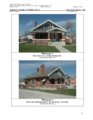
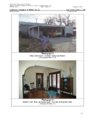
Show United States Department of the Interior National Park Service / National Register of Historic Places Registration Form NPS Form 10-900 OMB No. 1024-0018 (Expires 5/31/2012) Anderson, George and Mabel, House Box Elder County, Utah Name of Property County and State 7. Description Architectural Classification Materials (Enter categories from instructions.) (Enter categories from instructions.) foundation: CONCRETE LATE 19TH AND EARLY 20TH CENTURY AMERICAN MOVEMENTS: walls: BRICK Bungalow, Arts & Crafts, Prairie School roof: ASPHALT SHINGLE other: Narrative Description (Describe the historic and current physical appearance of the property. Explain contributing and noncontributing resources if necessary. Begin with a summary paragraph that briefly describes the general characteristics of the property, such as its location, setting, size, and significant features.) Summary Paragraph The George and Mabel Anderson House, constructed in 1913, is a 1½-story brick bungalow located at 63 N. 200 East in Brigham City, Utah. The style of the bungalow includes characteristics of both the Arts & Crafts and the Prairie School movements. The interior layout is unusual for the period and includes a unique double-arch inglenook feature. The only exterior modifications are a balcony on the rear elevation and a planter box on the façade. The house is located in a residential neighborhood just east of the Brigham City commercial business district. The neighborhood includes a range of pioneerera to modern houses. The 0.22-acre property includes a contributing concrete block shed with attached carport (circa 1950). The Anderson House is exceptionally well-preserved and retains integrity in all seven qualities as required by the National Register of Historic Places: location, design, setting, materials, workmanship, feeling, and association. The building is a contributing resource in its Brigham City neighborhood. Exterior The footprint of the Anderson-Pond House is approximately 30 feet by 47 feet, with the narrow end facing the street. The house is built on a raised foundation of concrete. The pebbled concrete has been encased (date unknown), but is visible where spalling has occurred at two corners. The masonry is a high-quality pressed brick in a uniform color of red on all four elevations. The brick is laid in a running bond with raked dark-colored mortar joints. There is a frame screened-porch on the south half of the rear (west) elevation. The porch is either original or an early addition, as it appears on a 1917 Sanborn fire insurance map of Brigham City and in a circa 1920 photograph of the house. (Figure 1) The concrete steps that lead up to the screened porch from the south also appear in the circa 1920 photograph. The screened porch has a flat roof, which supports a balcony with a circa 1980s wood balustrade. Because the balcony rail is on the rear elevation, it does not impact the overall historic integrity of the house. The main roof is a simple gable running perpendicular to the street. There is a secondary roof (combination simple gable and hipped) over the full-width porch on the façade (east elevation). The roof material is asphalt shingles. 3 |