| OCR Text |
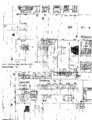
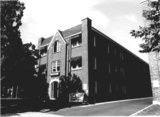
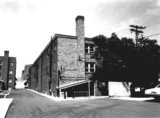
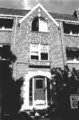
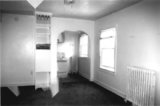
Show OMB No. 1024-0018, NFS Form United States Department of the Interior National Park Service National Register of Historic Places Continuation Sheet Section No. 7 Page 1 Bigelow Apartments, Salt Lake City, Salt Lake County, UT Narrative Description The Bigelow Apartment building, built between 1930 and 1931, is located at 225 South 400 East in Salt Lake City, Utah. The apartment house is a three-story brick building on a concrete foundation with a flat, built-up roof. The building is long and narrow measuring 33 by 173 feet. The Bigelow consists of thirty units arranged along three floors of double-loaded corridors. The stylistic elements are period revival and Jacobethan. The west, north and south elevations are constructed of a dark red striated brick in a running bond with flush mortar joints. The rear (east) elevation is commercial grade brick. In December 2003, a complete rehabilitation of the Bigelow Apartments using state and federal tax credits was completed. The Jacobethan ornamentation is found only on the fa9ade (west elevation), which faces 400 East. The fa9ade is divided into three bays flanked by giant brick piers. The center bay (where the stairs and corridors are located) projects slightly and features a simple gable at the top. On either side of the gable is a sloping asphaltshingled roof, which also serves as the parapet. The main entrance is in the central bay and features a half-glass door (probably not original, date unknown) flanked by sidelights and a cast concrete elliptical door surround. Above the entrance is a sign reading BIGELOW (the sign was restored and is now functioning). The second floor window is a pair of six-over-six double hung windows. The third floor window is multi-pane with a rounded brick hood highlighted by cast concrete keystones. The gable is capped with light-colored cast concrete with a cast concrete diamond at the apex. Between the second and third floor windows, the brick is laid in a decorative basket weave. The other bays feature the apartment windows, pairs of one-over-one doublehung windows. All the windows on the fa?ade and rear elevation are original and were refurbished during the rehabilitation. The wood trim is currently painted yellow and green. The concrete foundation is barely visible above ground and there is a one-step concrete stoop at the main entrance. The north and south elevations are similar with rows of one-over-one double-hung wood windows slightly recessed and alternating between the brick walls. The windows on the north and south elevations were replaced with wood windows similar to the originals. The south elevation has a secondary entrance in the center. Six metal fire escapes have been installed on the north and south elevations (three each side, installed before 1955). The only other alteration to the exterior was the cutting of a number of small vents (cut prior to the rehabilitation). Another entrance with a full multi-light door and sidelights is located on the rear (east) elevation. At the southeast corner of the building, a dilapidated corrugated metal shed structure over the basement access was replaced with a wood structure with a similar footprint and profile. The shed surrounds a tall brick chimney. The rehabilitation included cleaning the brick and repointing mortar joints. Historic doors and hardware was retained and restored where feasible. Plumbing, electrical and HVAC systems was updated. On the interior the building has approximately 16,600 square feet of space divided between the three residential floors and a partial basement in the rear. Stairs are located at the front, rear and on the south elevation. There are ten apartments per floor. The original configuration apartments included nine one-bedroom units and twenty-one studio apartments. The communal laundry room was moved from the rear of the building to the front. Each unit has a kitchenette and bathroom. The fixtures in the apartments are original. Some original |