| OCR Text |
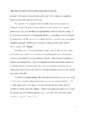
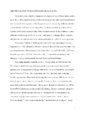
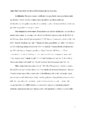
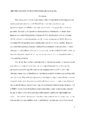
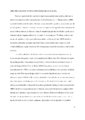
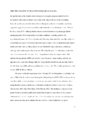
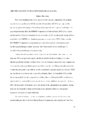
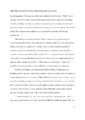
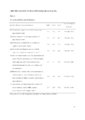
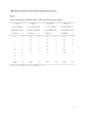
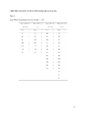
Show APRN PREPARATION TO TREAT PSYCHOLOGICAL TRAUMA stated they had received instruction on medical diagnoses associated with psychological trauma, evidenced-based treatment models, principles of trauma informed care, and stabilization for trauma treatment. (See Table 1) When instruction was received, all the topics were viewed by respondents as "helpful" on the 1 to 5 scale, with 1 being "not at all helpful," to 5 being "extremely helpful." The highest "helpful" mean scores were as follows: instruction on specific mental health diagnoses associated with the experience of psychological trauma ( = 3.99); medical diagnoses associated with the experience of significant psychological trauma ( = 3.94); and physiological responses to events triggering psychological trauma ( = 3.88). These were followed by helpfulness of instruction on trauma-informed care ( = 3.80); stabilization skills for trauma treatment ( = 3.75); identification of populations at risk for experiencing psychologically traumatic events ( = 3.73); and finally, helpfulness of instruction on evidenced-based models for trauma treatment ( = 3.45). The data on instruction topics and helpfulness of instruction were then analyzed to determine if the year in which the respondents graduated from their psychiatric APRN program of study significantly influenced the instruction topics taught and the perceived helpfulness of the topics. Two groups were compared: those who graduated between 1966 and 2006, and those who graduated between 2007 and 2014. Chi-square analysis was used to look for significant difference between the two groups on instruction topics, and independent sample t-tests were used to look for mean difference between groups on the helpfulness of each topic. When it came to the frequency of instruction topics covered in graduate education programs, there was no significant difference (α = .05) in the receipt of instruction topics for those who graduated between 1966 and 2006 and those who graduated between 2007 to 2014 on 10 |