| OCR Text |
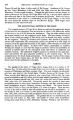
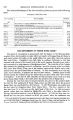
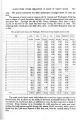
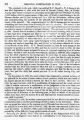
Show 232 IRRIGATION INVESTIGATIONS IN UTAH. . Estimated discharge of Virgin River at La Verkin Sulphur Springs during irrigation season of 1902-Cont'd. October. Day. March. April. 12. 13. 14. 15. 16. 17. 18. 19. 20. 21. 22. 23. 24. 25. 26. 27.. 28.. 29.. 30.. 81.. Acre-feet. 206.37 292.26 241.97 223.13 261.31 241.97 261.31 282.63 282.63 261.31 213.21 213.21 Acre-feet. 469.17 377.50 327.66 349.09 358.50 377.60 459.16 399.14 578.42 320.32 301.48 327.66 320.82 339.15 358.20 339.15 339.15 358.20 358.20 May. Acre-feet. \ 223.13 | 223.13 I 135.52 ! 135.52 181.90 138.62 | 168.09 168.09 188.09 168.09 153.71 | 163.71 | 153.71 153.71 182.47 103.14 185.52 163.29 172.96 163.29 Total 2,98131 9,997.92 ,226.37 June. Acre-feet. 72.64 62.83 60.58 62.83 59.94 66.63 66.53 39.01 46.12 50.58 62.83 56.53 56.53 45.12 39.01 39.01 50.68 50.58 72.64 July. August, j September. 1,963.75 ere-feet. 50.58 45.12 39.01 50.58 50.68 62.83 62.83 62.83 50.58 62.83 50.58 21.50 39.01 103.14 Flood. 734.90 657 667 657 592.64 Acre-feet. 678.45 588.07 776 835.01 716.01 657 578.45 556.88 578.45 519.06 478 377.50 399.17 418.50 519.06 497.45 657 616.58 556.84 519.06 4,632.59 17,302.31 icre-feet. 478 459.20 459.20 519.06 638.10 459.20 418.50 459.20 478 478 478 418.50 339.15 301.48 ! 301. 48 j 320.32 ! 339.15 ! 339.15 ! 339.15 ! Acre-feet. 166.50 133.90 151.75 141.80 13,086. 32 2,512.40 The year of 1902 has been one of the driest on record, yet 58,692 acre-feet passed Virgin City to the ditches below between March 20 and October 15. This was sufficient to cover all of the irrigated land under the ditches below Virgin City as well as the 2,000 acres on La Verkin and Hurricane benches, which have as yet received no water, to a depth of 10.87 feet. As shown in discussing the climate of Virgin Valley and the character of the river channel, a large loss through evaporation and seepage must be counted on. It would seem* conservative to estimate that two-fifths of the stream could be saved. This would cover the irrigable land under ditch not yet irrigated to a depth of 4.35 feet, which is certainly sufficient to produce crops even in Virgin Basin. Sufficient water to meet all needs can not be saved, however, without more economical use of water than is made now. Seepage losses in canals will have to be lessened, more of the water used for sluicing will have to be saved, and a higher duty of water when applied to the land will have to be reached. A striking example of extravagant use is presented by St. George and Washington Field. Enough water was used on that field during the season of 1902 to cover the land irrigated to a depth of 8.41 feet, nearly double the amount that should be necessary (see page 217). That it was far in excess of the needs of the land is shown by the fact, reported by the president of the company, that 200 acres in the field have been rendered useless and 300 acres additional very much injured by the rise of alkali in the land, due to overirrigation on the higher lands of the field and seepage from the near by canal and laterals. Out of the 119 farmers watering land in the field in 1902, 56 reported damage by alkali, their crops being cut down from one-eighth to three-fourths. There is no excuse for wasting water where it is as valuable and where its loss means so much as in Virgin River Basin. |