| OCR Text |
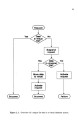
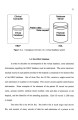
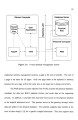
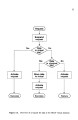
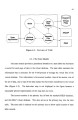
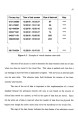
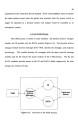
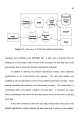
Show After this attempt completes, the request is allowed to resume (Figure 2.1). The placement of data into the virtual file occurs in a manner that is transparent to the requestor. This algorithm describes the fundamental functionality that must be present in a virtual database system. This models the behavior of traditional virtual memory systems. In addition to supporting random requests for data, the virtual database must provide any access paths that are defined in the standard database.1 For example, the standard database may allow records to be accessed either by primary key or alphabetically. The ability to monitor database requests, and to suspend database requests until the required data are transferred to the virtual file is crucial. This is a key feature used in the construction of a virtual database. The use of this feature creates the illusion that all the data are physically present in the virtual file. In fact, the data are only present in the virtual file when needed to satisfy a request for data. 2.2 Previous Work The term virtual database has been defined by other researchers to indicate a unifying database[19]. In this context, the virtual database provides the virtual integration of multiple heterogeneous databases. This type of virtual database extends the breadth of the underlying databases by transparently enabling access to an expanded database schema. The schema of the virtual database is constructed by *For the purpose of this document, a standard database is one that does not employ virtual database techniques. 15 |