| Title |
Chester Martin, Grand Junction, Colorado, Utah Uranium Oral History Project |
| Alternative Title |
Chester Martin, Utah Uranium Oral History Project |
| Creator |
Martin, Chester |
| Contributor |
Engle, Clare |
| Date |
1970-07-23 |
| Date Digital |
2016-05-04 |
| Access Rights |
I acknowledge and agree that all information I obtain as a result of accessing any oral history provided by the University of Utah's Marriott Library shall be used only for historical or scholarly or academic research purposes, and not for commercial purposes. I understand that any other use of the materials is not authorized by the University of Utah and may exceed the scope of permission granted to the University of Utah by the interviewer or interviewee. I may request permission for other uses, in writing to Special Collections at the Marriott Library, which the University of Utah may choose grant, in its sole discretion. I agree to defend, indemnify and hold the University of Utah and its Marriott Library harmless for and against any actions or claims that relate to my improper use of materials provided by the University of Utah. |
| Spatial Coverage |
Grand Junction, Mesa County, Colorado, United States |
| Subject |
Martin, Chester--Interviews; Uranium miners--Colorado--Interviews; Uranium mines and mining--Colorado |
| Keywords |
Union Carbide; Synthetic sapphire |
| Description |
Transcript (81 pages) of an interview by Clare Engle with Chester Martin, on July 23, 1970. From tape number UR-170 in the Utah Uranium Oral History Project |
| Abstract |
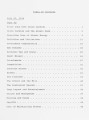
Clare Engel interviewed Martin in Grand Junction, Colorado. Subjects: employment with Union Carbide, the atomic bomb, peacetime uses of atomic energy, pollution, government compensation, AEC bonuses, economic ups and downs, small miners, investments, competition, contract miners, safety, the school and the mill, camp layout, unions and management, layoffs, cost of maintaining Uravan, company benefits, problems (81 pages). |
| Type |
Text |
| Format |
application/pdf |
| Extent |
81 pages |
| Language |
eng |
| Rights |
 |
| Rights Holder |
For further information please contact Special Collections, J. Willard Marriott Library, University of Utah at spcreference@lists.utah.edu or (801)581-8863 or 295 South 1500 East, 4th Floor, Salt Lake City, Utah 84112 |
| Scanning Technician |
Mazi Rakhsha |
| Conversion Specifications |
Original scanned with Kirtas 2400 and saved as 400 ppi uncompressed TIFF. PDF generated by Adobe Acrobat Pro X for CONTENTdm display |
| ARK |
ark:/87278/s6vb0g49 |
| Topic |
Uranium miners; Uranium mines and mining |
| Genre |
oral histories (literary works) |
| Finding Aid |
http://archiveswest.orbiscascade.org/ark:/80444/xv03439/ |
| Setname |
uum_uoh |
| ID |
1056321 |
| Reference URL |
https://collections.lib.utah.edu/ark:/87278/s6vb0g49 |
| Title |
Page 24 |
| Format |
application/pdf |
| Setname |
uum_uoh |
| ID |
1056260 |
| OCR Text |
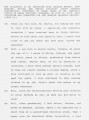
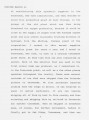
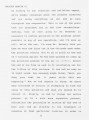
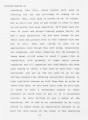
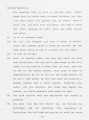
Show CHESTER MARTIN #1 ride these periods and stay in business and actually operate at a loss at some locations you might say, and keep people employed and wait until economic conditions improve to where you are able to carry on and pick-up again. This is what happened with us. Fortunately, in the '48-'49 period things picked-up so we began to rehabilitate our Uravan plant. In '53, '54, '55, we expanded the plant and, let's see, in the late '50s and in the 1960s, the early '60s, significant new uranium discoveries were made in the Ambrosia Lake district of New Mexico and the Lisbon Valley of Utah. Then we got involved in the gas hills up in Wyoming. Production from these areas, plus foreign purchase commitments made it apparent to the AEC that they were fast approaching an oversupply situation. They then got busy and encouraged people to stretch out a longer period of the time and keep the industry alive. You know, you get into the mining game and you just can't shut it off and turn it on when you want to. You get a mine operating, let's say you've got water in the mine, if you quit pumping and operating there, the mine fills with water. This causes the mine to deteriorate and your timber and your pipe and your rail are buried and everything is certainly not being improved by conditions like that. 21 |
| Reference URL |
https://collections.lib.utah.edu/ark:/87278/s6vb0g49/1056260 |