| Title |
Chester Martin, Grand Junction, Colorado, Utah Uranium Oral History Project |
| Alternative Title |
Chester Martin, Utah Uranium Oral History Project |
| Creator |
Martin, Chester |
| Contributor |
Engle, Clare |
| Date |
1970-07-23 |
| Date Digital |
2016-05-04 |
| Access Rights |
I acknowledge and agree that all information I obtain as a result of accessing any oral history provided by the University of Utah's Marriott Library shall be used only for historical or scholarly or academic research purposes, and not for commercial purposes. I understand that any other use of the materials is not authorized by the University of Utah and may exceed the scope of permission granted to the University of Utah by the interviewer or interviewee. I may request permission for other uses, in writing to Special Collections at the Marriott Library, which the University of Utah may choose grant, in its sole discretion. I agree to defend, indemnify and hold the University of Utah and its Marriott Library harmless for and against any actions or claims that relate to my improper use of materials provided by the University of Utah. |
| Spatial Coverage |
Grand Junction, Mesa County, Colorado, United States |
| Subject |
Martin, Chester--Interviews; Uranium miners--Colorado--Interviews; Uranium mines and mining--Colorado |
| Keywords |
Union Carbide; Synthetic sapphire |
| Description |
Transcript (81 pages) of an interview by Clare Engle with Chester Martin, on July 23, 1970. From tape number UR-170 in the Utah Uranium Oral History Project |
| Abstract |
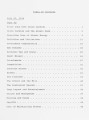
Clare Engel interviewed Martin in Grand Junction, Colorado. Subjects: employment with Union Carbide, the atomic bomb, peacetime uses of atomic energy, pollution, government compensation, AEC bonuses, economic ups and downs, small miners, investments, competition, contract miners, safety, the school and the mill, camp layout, unions and management, layoffs, cost of maintaining Uravan, company benefits, problems (81 pages). |
| Type |
Text |
| Format |
application/pdf |
| Extent |
81 pages |
| Language |
eng |
| Rights |
 |
| Rights Holder |
For further information please contact Special Collections, J. Willard Marriott Library, University of Utah at spcreference@lists.utah.edu or (801)581-8863 or 295 South 1500 East, 4th Floor, Salt Lake City, Utah 84112 |
| Scanning Technician |
Mazi Rakhsha |
| Conversion Specifications |
Original scanned with Kirtas 2400 and saved as 400 ppi uncompressed TIFF. PDF generated by Adobe Acrobat Pro X for CONTENTdm display |
| ARK |
ark:/87278/s6vb0g49 |
| Topic |
Uranium miners; Uranium mines and mining |
| Genre |
oral histories (literary works) |
| Finding Aid |
http://archiveswest.orbiscascade.org/ark:/80444/xv03439/ |
| Setname |
uum_uoh |
| ID |
1056321 |
| Reference URL |
https://collections.lib.utah.edu/ark:/87278/s6vb0g49 |
| Title |
Page 14 |
| Format |
application/pdf |
| Setname |
uum_uoh |
| ID |
1056250 |
| OCR Text |
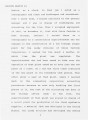
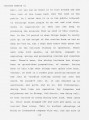
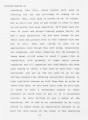
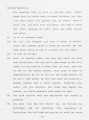
Show CHESTER MARTIN #1 danger of emissions, but these I'm sure can be controlled through proper control measures. That seems to be a good solution to the pollution problem. CE: I have had the opportunity to talk to a physicist and my brother-in-law who's experience, and both of a chemist with many years them have said that the radiation problem is nil if the proper precautions are taken. They think too, that this is alternately, but the problem is the extent now, isn't it? CM: That's right. It's a matter of economics. But again what is the public willing to pay ? What is the public going to have to pay, let's say, not willingly? What must we pay for the cleaning up of our atmosphere in order to stop the pollution that has gradually grown over the years from many, many sources? It seems like we don't have much choice but to go to something that, regardless of whatever source it may be: automobiles, burning trash, or burning of coal for heating or lighting or anything else, if there is a way you can do something different to reduce the pollution, I think we may have to do it, even though it is more expensive in the long run. There is only a limited amount of good clean air and water and so on and we just have to preserve whatever we do have. Of course, as you know 11 |
| Reference URL |
https://collections.lib.utah.edu/ark:/87278/s6vb0g49/1056250 |