| Title |
Earl S. Jarrett, Nephi, Utah: an interview by Benjamin Bahlmann, November 7, 2002: Saving the Legacy tape no. 632 |
| Alternative Title |
Earl S. Jarrett, Saving the legacy: an oral history of Utah's World War II veterans, ACCN 2070, American West Center, University of Utah |
| Creator |
Jarrett, Earl S., 1925-2012 |
| Contributor |
Bahlmann, Benjamin J.; University of Utah. American West Center |
| Publisher |
Digitized by J. Willard Marriott Library, University of Utah |
| Date |
2002-11-07 |
| Date Digital |
2015-12-16 |
| Access Rights |
I acknowledge and agree that all information I obtain as a result of accessing any oral history provided by the University of Utah's Marriott Library shall be used only for historical or scholarly or academic research purposes, and not for commercial purposes. I understand that any other use of the materials is not authorized by the University of Utah and may exceed the scope of permission granted to the University of Utah by the interviewer or interviewee. I may request permission for other uses, in writing to Special Collections at the Marriott Library, which the University of Utah may choose grant, in its sole discretion. I agree to defend, indemnify and hold the University of Utah and its Marriott Library harmless for and against any actions or claims that relate to my improper use of materials provided by the University of Utah. |
| Spatial Coverage |
Philippines; Okinawa, Japan |
| Subject |
Jarrett, Earl S., 1925-2012--Interviews; Veterans--Utah--Biography; World War, 1939-1945--Personal narratives, American; World War, 1939-1945--Military operations, American; World War, 1939-1945--Campaigns--Pacific Area--Personal narratives, American; World War, 1939-1945--Campaigns--Japan--Okinawa Island--Personal narratives, American |
| Description |
Transcript (75 pages) of an interview by Benjamin Bahlmann with Earl S. Jarrett on November 7, 2002. From tape number 632 in the "Saving the Legacy" Oral History Project |
| Collection Number and Name |
Accn2070, Saving the Legacy oral history project, 2001-2010 |
| Abstract |
Jarrett (b. 1925) was born in Nephi, Utah, and had a rural childhood, working on his father's farm. There were eight children in his family, all in a small two room house with no electricity or running water. Mr. Jarrett married in March of 1944, knowing that he would probably have to go into the service. He began his military service in August of 1944. After basic training and training as a basic infantryman, he was sent to Leyte Island, The Philippines. He fought against almost no resistance. Next he went to Ie Shima, where again there wasn't much resistance and then to Okinawa where there was very strong resistance. He was wounded on his 30th day on Okinawa and evacuated to, first Hawaii and then to San Francisco, CA. He was separated from the service in September 1945. Mr. Jarrett goes into some detail about his reflections at the end of the war, and about actions he'd participated in. He was also affected by the war for many years. Interviewed by Benjamin Bahlmann. 75 pages. |
| Type |
Text |
| Genre |
oral histories (literary works) |
| Format |
application/pdf |
| Extent |
75 pages |
| Language |
eng |
| Rights |
 |
| Scanning Technician |
Mazi Rakhsha |
| Conversion Specifications |
Original scanned with Kirtas 2400 and saved as 400 ppi uncompressed TIFF. PDF generated by Adobe Acrobat Pro X for CONTENTdm display |
| ARK |
ark:/87278/s66995m1 |
| Topic |
Personal narratives--American; Veterans; World War (1939-1945) |
| Setname |
uum_slohp |
| ID |
1034517 |
| Reference URL |
https://collections.lib.utah.edu/ark:/87278/s66995m1 |
| Title |
Page 12 |
| Format |
application/pdf |
| Setname |
uum_slohp |
| ID |
1034452 |
| OCR Text |
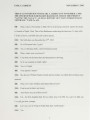
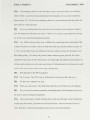
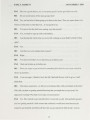
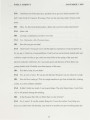
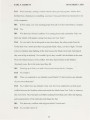
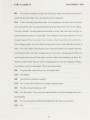
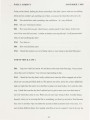
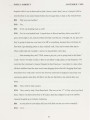
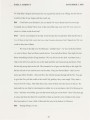
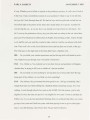
Show EARL . JARRETT 7 2002 ESJ: I don t think there was any short-term effect. We was always so bu y that y u didn't have time to worry about something like that, at that point of time. [phone rings; turns off tapes] BB: Okay, so we were talking about Pearl Harbor how it affected life in your community. Did it affect you right away? ESJ: Well, shortly after that they went to drafting people and then that was quite an effect of them, to the military. I got drafted in '44. I got married in March and got drafted in August. I got, I don't know, probably a four-month deferment to help my father with the farm. So that's what held me back 'til August. BB: Let's see. So you got married before you went into the service? ESJ: Yes. BB: Where did you meet your wife? ESJ: I met her at the dances over to Moroni. She was from Mt. Pleasant. BB: What was her name? ESJ: Beth Maurine Rasenlof. BB: So you just started dating? ESJ: Yes, go to the dances and that. BB: What kind of, was dancing something you'd participate in as much as you could? ESJ: Oh, yes. We done a lot of dancing. Her and I danced all the years through that we was able to. BB: Back then, what kind of dance was popular, do you recall? ESJ: Well, they had a lot of jitter buggin', and just mostly that type of dances. BB: Were you a pretty good dancer, you think? 11 |
| Reference URL |
https://collections.lib.utah.edu/ark:/87278/s66995m1/1034452 |