| Title |
Felix S. Torres, Sandy, Utah: an interview by Becky B. Lloyd, June 25, 2004: Saving the Legacy tape no. 669 |
| Alternative Title |
Felix S. Torres, Saving the legacy: an oral history of Utah's World War II veterans, ACCN 2070, American West Center, University of Utah |
| Creator |
Torres, Felix S., 1926-2010 |
| Contributor |
Lloyd, Becky B.; University of Utah. American West Center |
| Publisher |
Digitized by J. Willard Marriott Library, University of Utah |
| Date |
2004-06-25 |
| Date Digital |
2015-12-16 |
| Access Rights |
I acknowledge and agree that all information I obtain as a result of accessing any oral history provided by the University of Utah's Marriott Library shall be used only for historical or scholarly or academic research purposes, and not for commercial purposes. I understand that any other use of the materials is not authorized by the University of Utah and may exceed the scope of permission granted to the University of Utah by the interviewer or interviewee. I may request permission for other uses, in writing to Special Collections at the Marriott Library, which the University of Utah may choose grant, in its sole discretion. I agree to defend, indemnify and hold the University of Utah and its Marriott Library harmless for and against any actions or claims that relate to my improper use of materials provided by the University of Utah. |
| Spatial Coverage |
France; Belgium; Germany |
| Subject |
Torres, Felix S., 1926-2010--Interviews; Veterans--United States--Biography; World War, 1939-1945--Personal narratives, American; World War, 1939-1945--Military operations, American; World War, 1939-1945--Campaigns--Europe, Northern--Personal narratives, American; Hürtgen Forest, Battle of, Germany, 1944--Personal narratives, American; Ardennes, Battle of the, 1944-1945--Personal narratives, American; Germany--History--1945-1955 |
| Keywords |
Battle of the Bulge; German Allied occupation |
| Description |
Transcript (30 pages) of an interview by Becky B. Lloyd with Felix S. Torres on June 25, 2004. From tape number 669 in the "Saving the Legacy" Oral History Project |
| Collection Number and Name |
Accn2070, Saving the Legacy oral history project, 2001-2010 |
| Abstract |
Torres (b. 1926) was drafted in June 1944 and took basic training at Fort Carson, Colorado. He was shipped to Europe at the time of the "Bulge" as an artillery machine gunner in the 8th Infantry Division, 28th Infantry Regiment, Company H. Torres recalls his first battle in Hurtgen Forest and describes occupation duty in Berlin following the war. He was discharged in May 1946, and served in the reserves for twelve years.Interviewed by Becky Lloyd. 30 pages. |
| Type |
Text |
| Genre |
oral histories (literary works) |
| Format |
application/pdf |
| Extent |
30 pages |
| Language |
eng |
| Rights |
 |
| Scanning Technician |
Mazi Rakhsha |
| Conversion Specifications |
Original scanned with Kirtas 2400 and saved as 400 ppi uncompressed TIFF. PDF generated by Adobe Acrobat Pro X for CONTENTdm display |
| ARK |
ark:/87278/s6rn59w5 |
| Topic |
Personal narratives--American; Veterans; World War (1939-1945); Hürtgen Forest, Battle of (Germany : 1944); Ardennes, Battle of the (1944-1945) |
| Setname |
uum_slohp |
| ID |
1033410 |
| Reference URL |
https://collections.lib.utah.edu/ark:/87278/s6rn59w5 |
| Title |
Page 16 |
| Format |
application/pdf |
| Setname |
uum_slohp |
| ID |
1033395 |
| OCR Text |
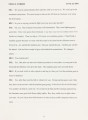
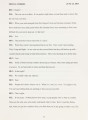
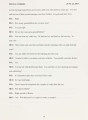
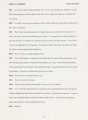
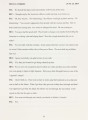
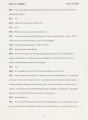
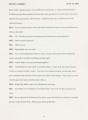
Show F LI .TORRE J 2 2004 FIL: Yes. BEC: I was wondering, too as you were fighting your way across Germany did you often encounter or interact with the civilians as you went through? FIL: No, not that much. Usually, they got those people out of there before we came through. Mostly there weren't any people by the time we got there. BEC: As you said, they'd soften it up with some bombing first and then you go in and clean up whoever was left. FIL: Yes, so most of the time, the civilians were gone by the time we got there. The Germans knew that we were moving forward and that when we got there we were going to bomb their town. So they tried to get the people out of there before that as fast as they could. Most of the time, we didn't have any problems with the civilians being there. BEC: Right. FIL: They cleared the towns before we ever went in there and took it over. When we were in the towns, we stayed in their houses. We always hit the basements to see if we could find any food or something to drink. BEC: Right. Did you usually find anything that was better thanK-rations? FIL: Sometimes. Yes they had some stuff they'd put up that they'd left when they ran. We ate anything we could find because after living on K -rations, anything tasted good. BEC: I'm sure. Particularly, if you could find some canned fruit or eggs or something like that. FIL: Yes, we weren't supposed to do that but we couldn't resist it. We weren't supposed to touch any other stuff. One thing, if you got caught with anything the Germans owned, if you got taken prisoner, they'd shoot you. You'd be shot if they 16 |
| Reference URL |
https://collections.lib.utah.edu/ark:/87278/s6rn59w5/1033395 |