| Title |
James Clare Lamph, Bountiful, Utah: an interview by Becky B. Lloyd, March 4 & 9, 2004: Saving the Legacy tape no. 646 |
| Alternative Title |
James Clare Lamph, Saving the legacy: an oral history of Utah's World War II veterans, ACCN 2070, American West Center, University of Utah |
| Creator |
Lamph, James Clare, 1921-2013 |
| Contributor |
Lloyd, Becky B.; University of Utah. American West Center |
| Publisher |
Digitized by J. Willard Marriott Library, University of Utah |
| Date |
2004-03-04; 2004-03-09 |
| Date Digital |
2015-12-16 |
| Access Rights |
I acknowledge and agree that all information I obtain as a result of accessing any oral history provided by the University of Utah's Marriott Library shall be used only for historical or scholarly or academic research purposes, and not for commercial purposes. I understand that any other use of the materials is not authorized by the University of Utah and may exceed the scope of permission granted to the University of Utah by the interviewer or interviewee. I may request permission for other uses, in writing to Special Collections at the Marriott Library, which the University of Utah may choose grant, in its sole discretion. I agree to defend, indemnify and hold the University of Utah and its Marriott Library harmless for and against any actions or claims that relate to my improper use of materials provided by the University of Utah. |
| Spatial Coverage |
Sacramento, Sacramento County, California, United States; Algeria; Tunisia; Italy; England, United Kingdom; Okinawa, Japan |
| Subject |
Lamph, James Clare, 1921-2013--Interviews; Veterans--United States--Biography; World War, 1939-1945--Personal narratives, American; World War, 1939-1945--Military operations, American; World War, 1939-1945--Campaigns--Africa, North--Personal narratives, American; World War, 1939-1945--Campaigns--Europe, Southern--Personal narratives, American |
| Keywords |
Great Depression; Army Air Corps; Cooks; Bakers; Parachutes; Thermite bombs; Forest fires; Ghost of Ramsbury Hill; Submarines |
| Description |
Transcript (125 pages) of an interview by Becky B. Lloyd with James Clare Lamph on March 4 and 9, 2004. From tape number 706 in the "Saving the Legacy" Oral History Project |
| Collection Number and Name |
Accn2070, Saving the Legacy oral history project, 2001-2010 |
| Abstract |
Lamph (b. 1921) enlisted in the Army Air Corps in January 1940. He attended cook and bakers school in Presidio, San Francisco. He served in Portland, Oregon, and at Westover Field, Massachusetts, prior to sailing on the USS West Point, which landed in Liverpool, England. He was sent to Ramsbury Air Base and reassigned as a parachute rigger. He also built gliders. He served in Italy, and the British West Indies before being demobilized at Fort Douglas, Utah. Interviewed by Becky Lloyd. 125 pages. |
| Type |
Text |
| Genre |
oral histories (literary works) |
| Format |
application/pdf |
| Extent |
125 pages |
| Language |
eng |
| Rights |
 |
| Scanning Technician |
Mazi Rakhsha |
| Conversion Specifications |
Original scanned with Kirtas 2400 and saved as 400 ppi uncompressed TIFF. PDF generated by Adobe Acrobat Pro X for CONTENTdm display |
| ARK |
ark:/87278/s6224wtv |
| Topic |
Personal narratives--American; Veterans; World War (1939-1945) |
| Setname |
uum_slohp |
| ID |
1032817 |
| Reference URL |
https://collections.lib.utah.edu/ark:/87278/s6224wtv |
| Title |
Page 90 |
| Format |
application/pdf |
| Setname |
uum_slohp |
| ID |
1032781 |
| OCR Text |
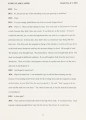
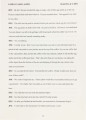
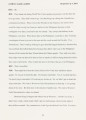
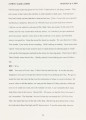
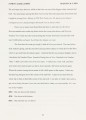
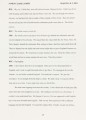
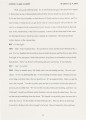
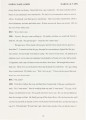
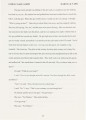
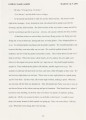
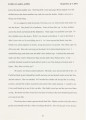
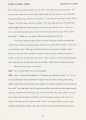
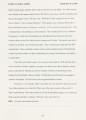
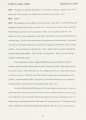
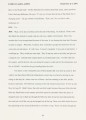
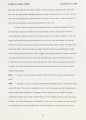
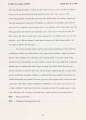
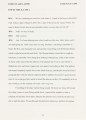
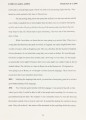
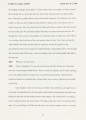
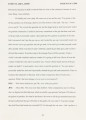
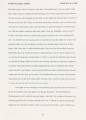
Show JAME LARE LAMPH M H 9 2 04 ros was taking our sweet breads and having the cooks in the kitch n und r rd r make donuts and cakes and cookies, and they were selling our ration back to u . BEC: The Red Cross? JIM: The Red Cross was selling our rations back to us on the flight line. And they got chased off by our Chaplain. As they got chased off, our donuts and our sweet breads appeared once again in our mess hall. Which reminds me, of course, of another little thing. We were bivouacked in this little town, but our air base was almost ten miles away from the town. So we had to travel between our bivouac area and the air base, because it was decided at that time ... we had a real smart wing commander, the one that was in charge of all the aircraft that we had. He had gotten in trouble when we was in Africa. He had to go clear back to Washington to report. He did things that they didn't like. So he flat told them in Washington that he wasn't going to get his men killed unnecessarily. If it was necessary, he would be the first one in; but if they wanted him to do something that wasn't necessary, his men wasn't going to go forward. And he pulled that all the time. So what he did, he'd bivouac us one place and put the airfield another place, and we would have to travel between the two because if they had a bombing raid and we lived on the air base, the whole bunch would be wiped out. But if we hid out someplace amongst the civilian population, basically, they would bomb the airfield and all they would get is equipment, not people. The equipment could be replaced. BEC: Is that when you were living in the bombed out house? JIM: Yes. BEC: I was going to ask you why they didn't have barracks, but that's why. 90 |
| Reference URL |
https://collections.lib.utah.edu/ark:/87278/s6224wtv/1032781 |