| Title |
Donald E. Sutherland, Jerry E. Sutherland, Provo, Utah: an interview by Winston Erickson, October 19, 2000: Saving the Legacy tape no. 130-131 |
| Alternative Title |
Donald E. and Jerry E. Sutherland, Saving the legacy: an oral history of Utah's World War II veterans, ACCN 2070, American West Center, University of Utah |
| Creator |
Sutherland, Donald E., 1924-2003; Sutherland, Jerry E., 1924-2014 |
| Contributor |
Erickson, Winston P., 1943-; University of Utah. American West Center |
| Publisher |
Digitized by J. Willard Marriott Library, University of Utah |
| Date |
2000-10-19 |
| Date Digital |
2015-12-16 |
| Access Rights |
I acknowledge and agree that all information I obtain as a result of accessing any oral history provided by the University of Utah's Marriott Library shall be used only for historical or scholarly or academic research purposes, and not for commercial purposes. I understand that any other use of the materials is not authorized by the University of Utah and may exceed the scope of permission granted to the University of Utah by the interviewer or interviewee. I may request permission for other uses, in writing to Special Collections at the Marriott Library, which the University of Utah may choose grant, in its sole discretion. I agree to defend, indemnify and hold the University of Utah and its Marriott Library harmless for and against any actions or claims that relate to my improper use of materials provided by the University of Utah. |
| Spatial Coverage |
Solomon Islands; Japan |
| Subject |
Sutherland, Donald E., 1924-2003--Interviews; Sutherland, Jerry E., 1924-2014--Interviews; Veterans--Utah--Biography; World War, 1939-1945--Personal narratives, American; World War, 1939-1945--Military operations, American; World War, 1939-1945--Campaigns--Pacific Area--Personal narratives, American |
| Description |
Transcript (66 pages) of an interview by Winston Erickson with brothers Donald E. Sutherland and Jerry E. Sutherland on October 19, 2000. From tape numbers 130 and 131 in the "Saving the Legacy" Oral History Project |
| Collection Number and Name |
Accn2070, Saving the Legacy oral history project, 2001-2010 |
| Abstract |
Donald Sutherland and his twin brother Jerry were born in 1924 in Sodus, New York. Shortly after their birth, they were brought to California, where they grew up. They discuss growing up and going to school during the Great Depression. They received their draft notifications on June 2, 1943 into the Army. They received basic training together at Camp Roberts, California. After basic training, Donald and Jerry split up and Donald went to Ft. Ord. Donald was sent to the Pacific as a combat replacement for units fighting on Guadalcanal (Americal Division). His unit, the 162 Infantry M Company, landed on Bougainville, Solomon Islands. He was involved in sustained combat in the Solomon Islands. After the Japanese surrender, his unit was sent to Japan. He returned home in 1945 and became a manufacturing engineer. Interviewed by Winston Erickson. 66 pages. |
| Type |
Text |
| Genre |
oral histories (literary works) |
| Format |
application/pdf |
| Extent |
66 pages |
| Language |
eng |
| Rights |
 |
| Scanning Technician |
Mazi Rakhsha |
| Conversion Specifications |
Original scanned with Kirtas 2400 and saved as 400 ppi uncompressed TIFF. PDF generated by Adobe Acrobat Pro X for CONTENTdm display |
| ARK |
ark:/87278/s6cv6ks5 |
| Topic |
Personal narratives--American; Veterans; World War (1939-1945) |
| Setname |
uum_slohp |
| ID |
1032108 |
| Reference URL |
https://collections.lib.utah.edu/ark:/87278/s6cv6ks5 |
| Title |
Page 64 |
| Format |
application/pdf |
| Setname |
uum_slohp |
| ID |
1032105 |
| OCR Text |
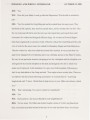
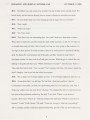
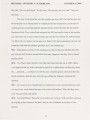
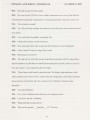
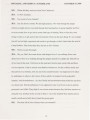
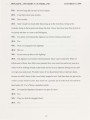
Show DONALD E. A D JERRY E. UTH RL D R 19, 2 00 says either do it or don t do it. Does it make sense to you what I m aying r n t? Id n t know, maybe I can't. .. WE: That's true. JES: So my belief, being in the war my belief is, build a strong military strong enough that they don't touch us. DES: The military I felt didn't hit me as hard as it did some people because the transition wasn't that great. We didn't have a family established, we didn't have a job established, we didn't have a lifestyle established. We went right from high school right into the military. We got our diplomas in one hand, draft papers in the other. So the transition really wasn't a transition for us. After the war was over, I would have liked to start out as an eighteen year old, get a good job with school and everything, but that was one and a half years, two years of my life was taken out. But I thought it was a good experience as far as behavior, not killing and shooting, but being able to withstand this stuff so when you get back in civilian life, civilian life is easier on you because of what you've gone through before. JES: One thing that amazes me is I get a cold here, sniffles, headaches, and I go ballistic. But then over there I got thinking that all the time I was over there, no colds, and the main thing was, other than the dengue fever, malaria ... WE: Right dengue fever, malaria, leaches (laughs) ... JES: (laughs) Leaches. Yes, other than that, to come over here and I complain because this happens over here. But you know as I think back, I don't recall if it was four or five months that we wore boots in the water and never took them off. DES: That's the same as mine. 64 |
| Reference URL |
https://collections.lib.utah.edu/ark:/87278/s6cv6ks5/1032105 |