| Title |
Donald E. Sutherland, Jerry E. Sutherland, Provo, Utah: an interview by Winston Erickson, October 19, 2000: Saving the Legacy tape no. 130-131 |
| Alternative Title |
Donald E. and Jerry E. Sutherland, Saving the legacy: an oral history of Utah's World War II veterans, ACCN 2070, American West Center, University of Utah |
| Creator |
Sutherland, Donald E., 1924-2003; Sutherland, Jerry E., 1924-2014 |
| Contributor |
Erickson, Winston P., 1943-; University of Utah. American West Center |
| Publisher |
Digitized by J. Willard Marriott Library, University of Utah |
| Date |
2000-10-19 |
| Date Digital |
2015-12-16 |
| Access Rights |
I acknowledge and agree that all information I obtain as a result of accessing any oral history provided by the University of Utah's Marriott Library shall be used only for historical or scholarly or academic research purposes, and not for commercial purposes. I understand that any other use of the materials is not authorized by the University of Utah and may exceed the scope of permission granted to the University of Utah by the interviewer or interviewee. I may request permission for other uses, in writing to Special Collections at the Marriott Library, which the University of Utah may choose grant, in its sole discretion. I agree to defend, indemnify and hold the University of Utah and its Marriott Library harmless for and against any actions or claims that relate to my improper use of materials provided by the University of Utah. |
| Spatial Coverage |
Solomon Islands; Japan |
| Subject |
Sutherland, Donald E., 1924-2003--Interviews; Sutherland, Jerry E., 1924-2014--Interviews; Veterans--Utah--Biography; World War, 1939-1945--Personal narratives, American; World War, 1939-1945--Military operations, American; World War, 1939-1945--Campaigns--Pacific Area--Personal narratives, American |
| Description |
Transcript (66 pages) of an interview by Winston Erickson with brothers Donald E. Sutherland and Jerry E. Sutherland on October 19, 2000. From tape numbers 130 and 131 in the "Saving the Legacy" Oral History Project |
| Collection Number and Name |
Accn2070, Saving the Legacy oral history project, 2001-2010 |
| Abstract |
Donald Sutherland and his twin brother Jerry were born in 1924 in Sodus, New York. Shortly after their birth, they were brought to California, where they grew up. They discuss growing up and going to school during the Great Depression. They received their draft notifications on June 2, 1943 into the Army. They received basic training together at Camp Roberts, California. After basic training, Donald and Jerry split up and Donald went to Ft. Ord. Donald was sent to the Pacific as a combat replacement for units fighting on Guadalcanal (Americal Division). His unit, the 162 Infantry M Company, landed on Bougainville, Solomon Islands. He was involved in sustained combat in the Solomon Islands. After the Japanese surrender, his unit was sent to Japan. He returned home in 1945 and became a manufacturing engineer. Interviewed by Winston Erickson. 66 pages. |
| Type |
Text |
| Genre |
oral histories (literary works) |
| Format |
application/pdf |
| Extent |
66 pages |
| Language |
eng |
| Rights |
 |
| Scanning Technician |
Mazi Rakhsha |
| Conversion Specifications |
Original scanned with Kirtas 2400 and saved as 400 ppi uncompressed TIFF. PDF generated by Adobe Acrobat Pro X for CONTENTdm display |
| ARK |
ark:/87278/s6cv6ks5 |
| Topic |
Personal narratives--American; Veterans; World War (1939-1945) |
| Setname |
uum_slohp |
| ID |
1032108 |
| Reference URL |
https://collections.lib.utah.edu/ark:/87278/s6cv6ks5 |
| Title |
Page 22 |
| Format |
application/pdf |
| Setname |
uum_slohp |
| ID |
1032063 |
| OCR Text |
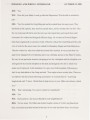
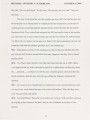
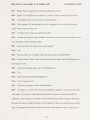
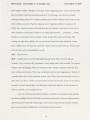
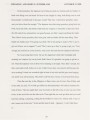
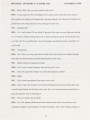
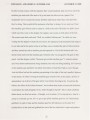
Show DO ALD E. A D JERRY E. THERL D T R 19 2000 be able to keep contact with the Japanese they would randomly pick on of u out f th machine gun units and rifles and we'd go ten men ten miles out on a patrol. Our assignment was to contact the enemy and then radio back where they were and what they're doing. That would tell the perimeter what they're doing. So we went out. I had this machine gun with me and we came to a fork in the trail. Obviously we didn't know which way they went so the skipper, the captain, sent scouts on both sides of the fork. The scouts came back and said, "Well, we couldn't find anyone." So while we were waiting for the skipper to make the next move, the Japanese in the meantime had stepped to one side and let the patrol come in and they came in behind the patrol, followed them and they opened up with a machine gun and sprayed us. We all hit the deck and I was about twenty feet from the machine gun. Someone else was assigned to the gun on that patrol. And the skipper yelled, "Someone get on that machine gun." I waited a minute and I was almost embarrassed, being nineteen years old, not doing anything. So I crawled to the machine gun and there was about four inches of mud that I had to crawl through. And the fellow had set the machine gun pointing to the right of the trail, parallel, adjacent to the stream. So when I swung the machine gun around to fire at the enemy, the box of ammunition was in front of the gun and he was already shooting at me. I could see the bullets, the effect of the bullets because I was in about four inches of mud and the bullets would spray the mud alongside of me. And I thought to myself-this is what somebody thinks about, not fear but action-I thought, wait a minute, if I'm staying here, then he 's going to eventually get me. So I've got to get off the machine gun box. So I slid around, grabbed it to yank it back and the machine gun box fell sideways in the mud. So I reached down in the mud and grabbed the end of the box and broke it open and grabbed 22 |
| Reference URL |
https://collections.lib.utah.edu/ark:/87278/s6cv6ks5/1032063 |