| Title |
James D. Johnson, Salt Lake City, Utah: an interview by John C. Worsencroft, September 25, 2009: Saving the Legacy tape no. IA-6 |
| Alternative Title |
James D. Johnson, Saving the legacy: an oral history of Utah's World War II veterans, ACCN 2070, American West Center, University of Utah |
| Creator |
Johnson, James D., 1947- |
| Contributor |
Worsencroft, John C., 1981-; University of Utah. American West Center |
| Publisher |
Digitized by J. Willard Marriott Library, University of Utah |
| Date |
2009 |
| Date Digital |
2015-12-16 |
| Access Rights |
I acknowledge and agree that all information I obtain as a result of accessing any oral history provided by the University of Utah's Marriott Library shall be used only for historical or scholarly or academic research purposes, and not for commercial purposes. I understand that any other use of the materials is not authorized by the University of Utah and may exceed the scope of permission granted to the University of Utah by the interviewer or interviewee. I may request permission for other uses, in writing to Special Collections at the Marriott Library, which the University of Utah may choose grant, in its sole discretion. I agree to defend, indemnify and hold the University of Utah and its Marriott Library harmless for and against any actions or claims that relate to my improper use of materials provided by the University of Utah. |
| Spatial Coverage |
Vietnam; Afghanistan |
| Subject |
Johnson, James D., 1947- --Interviews; Veterans--Utah--Biography; Vietnam War, 1961-1975--Personal narratives, American |
| Keywords |
Vietnam War; Military advisors; Mobile Advisory Team; Winter Olympics |
| Description |
Transcript (31 pages) of an interview by John C. Worsencroft with James D. Johnson on September 25, 2009. From tape number IA-6 in the "Saving the Legacy" Oral History Project |
| Collection Number and Name |
Accn2070, Saving the Legacy oral history project, 2001-2010 |
| Abstract |
Johnson (b. 1947) grew up in Logan, Utah. He attended Logan High School and graduated from Utah State University, where he was commissioned in the ROTC. J.D. talks about the importance of leadership and the qualities he finds prevalent in good leaders. During the Vietnam War, JD served as a senior military advisor in a Mobile Advisory Team (MAT 135) as part of the "Vietnamization" efforts in South Vietnam. In Vietnam, J.D. learned the importance of NCO leadership in the Army. He talks about the institution of the All-Volunteer Force and the end of the draft. J.D. also worked in Afghanistan as a civilian employed by Military Professional Resources Incorporated (MPRI) and he talks about the geopolitical, military, and social issues surrounding the war in Afghanistan, as well as in Iraq. He helped to create a non-profit to build an orphanage in Afghanistan, called the Afghan Orphanage Project. During the 2002 Winter Olympics in Salt Lake City, J.D. led a brigade of army reservists and guardsmen as a part of a Joint Security Task Force for the games. Interviewed by John C. Worsencroft. 31 pages. |
| Type |
Text |
| Genre |
oral histories (literary works) |
| Format |
application/pdf |
| Extent |
31 pages |
| Language |
eng |
| Rights |
 |
| Scanning Technician |
Mazi Rakhsha |
| Conversion Specifications |
Original scanned with Kirtas 2400 and saved as 400 ppi uncompressed TIFF. PDF generated by Adobe Acrobat Pro X for CONTENTdm display |
| ARK |
ark:/87278/s6s48v29 |
| Topic |
Personal narratives--American; Veterans; Vietnam War (1961-1975) |
| Setname |
uum_slohp |
| ID |
1032016 |
| Reference URL |
https://collections.lib.utah.edu/ark:/87278/s6s48v29 |
| Title |
Page 9 |
| Format |
application/pdf |
| Setname |
uum_slohp |
| ID |
1031993 |
| OCR Text |
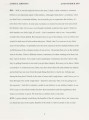
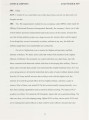
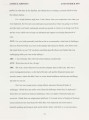
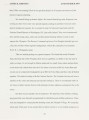
Show J ME D.JOH 0 2 p R2009 JDJ: Well, it was the right decision at the time I think. I think certainly av lunt r military is an important aspect of the military. Although I think there's at nd ncy wh n you don't have a conscript military, not everybody gets to experience the military, it s only those who want to. In your case, I assume you wanted to join and went and joined the Marine Corps. In my case, even though I probably could not have gone, I think my draft number was fairly high, if I recall-I can't remember what it was-but probably wouldn't have been drafted. But instead I chose to go in the military, to be an officer and wanted to lead men in both combat and peace. I think what I've seen now in my latter years of the military, we probably have the most educated, the best trained military in the world because of the volunteer nature of our service. The people that serve in the military want to be there. There's different reasons, sometimes, for them wanting to be there, but they want to be there. Very much want to participate. Sometimes they don't know what they're getting themselves into until you get there (laughs). But once you're there, I think everybody I've witnessed in my latter years have done their jobs and nobody has shirked and nobody has run away from the tough things that they've had to do. Nob?dY quit during the long haul. Nobody in the time of some really tough times-and I know you've been through some really tough times-laid down and said, "Hey, I'm not going to do this anymore." And that's certainly a credit to our military, to our military leaders, to our NCO corps, to the enlisted ranks that have that camaraderie and that togetherness that makes our military so great. We truly have a military that is top notch. JCW: I guess nobody would deny the benefits of the all volunteer force, but I sense that you think that one of the maybe benefits of the draft is it allows people in the civilian 9 |
| Reference URL |
https://collections.lib.utah.edu/ark:/87278/s6s48v29/1031993 |