| Title |
James D. Johnson, Salt Lake City, Utah: an interview by John C. Worsencroft, September 25, 2009: Saving the Legacy tape no. IA-6 |
| Alternative Title |
James D. Johnson, Saving the legacy: an oral history of Utah's World War II veterans, ACCN 2070, American West Center, University of Utah |
| Creator |
Johnson, James D., 1947- |
| Contributor |
Worsencroft, John C., 1981-; University of Utah. American West Center |
| Publisher |
Digitized by J. Willard Marriott Library, University of Utah |
| Date |
2009 |
| Date Digital |
2015-12-16 |
| Access Rights |
I acknowledge and agree that all information I obtain as a result of accessing any oral history provided by the University of Utah's Marriott Library shall be used only for historical or scholarly or academic research purposes, and not for commercial purposes. I understand that any other use of the materials is not authorized by the University of Utah and may exceed the scope of permission granted to the University of Utah by the interviewer or interviewee. I may request permission for other uses, in writing to Special Collections at the Marriott Library, which the University of Utah may choose grant, in its sole discretion. I agree to defend, indemnify and hold the University of Utah and its Marriott Library harmless for and against any actions or claims that relate to my improper use of materials provided by the University of Utah. |
| Spatial Coverage |
Vietnam; Afghanistan |
| Subject |
Johnson, James D., 1947- --Interviews; Veterans--Utah--Biography; Vietnam War, 1961-1975--Personal narratives, American |
| Keywords |
Vietnam War; Military advisors; Mobile Advisory Team; Winter Olympics |
| Description |
Transcript (31 pages) of an interview by John C. Worsencroft with James D. Johnson on September 25, 2009. From tape number IA-6 in the "Saving the Legacy" Oral History Project |
| Collection Number and Name |
Accn2070, Saving the Legacy oral history project, 2001-2010 |
| Abstract |
Johnson (b. 1947) grew up in Logan, Utah. He attended Logan High School and graduated from Utah State University, where he was commissioned in the ROTC. J.D. talks about the importance of leadership and the qualities he finds prevalent in good leaders. During the Vietnam War, JD served as a senior military advisor in a Mobile Advisory Team (MAT 135) as part of the "Vietnamization" efforts in South Vietnam. In Vietnam, J.D. learned the importance of NCO leadership in the Army. He talks about the institution of the All-Volunteer Force and the end of the draft. J.D. also worked in Afghanistan as a civilian employed by Military Professional Resources Incorporated (MPRI) and he talks about the geopolitical, military, and social issues surrounding the war in Afghanistan, as well as in Iraq. He helped to create a non-profit to build an orphanage in Afghanistan, called the Afghan Orphanage Project. During the 2002 Winter Olympics in Salt Lake City, J.D. led a brigade of army reservists and guardsmen as a part of a Joint Security Task Force for the games. Interviewed by John C. Worsencroft. 31 pages. |
| Type |
Text |
| Genre |
oral histories (literary works) |
| Format |
application/pdf |
| Extent |
31 pages |
| Language |
eng |
| Rights |
 |
| Scanning Technician |
Mazi Rakhsha |
| Conversion Specifications |
Original scanned with Kirtas 2400 and saved as 400 ppi uncompressed TIFF. PDF generated by Adobe Acrobat Pro X for CONTENTdm display |
| ARK |
ark:/87278/s6s48v29 |
| Topic |
Personal narratives--American; Veterans; Vietnam War (1961-1975) |
| Setname |
uum_slohp |
| ID |
1032016 |
| Reference URL |
https://collections.lib.utah.edu/ark:/87278/s6s48v29 |
| Title |
Page 4 |
| Format |
application/pdf |
| Setname |
uum_slohp |
| ID |
1031988 |
| OCR Text |
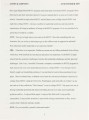
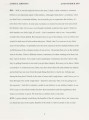
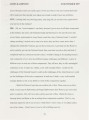
Show J ME D.JOHN 0 2 p B R 2009 JDJ: That's an interesting question. No, and maybe y s. Lik I aid, In ver r ally wanted to didn't necessarily want to lead, but always lead. o I don't know if I it wa n t reluctant. Given the opportunity to lead, I did not say "I don t want to ' and I was not reluctant in taking on that responsibility and that duty. I actually grew in that aspect. I think, to me personally, leadership is challenging; I like working with people, I like being out in front and leading from the front, so it was always enjoyable to be that way. I'm not sure I was reluctant, although I didn't necessarily ... it just seemed to be natural, it just seemed to be the natural process of things that created leadership opportunities. JCW: Over your career you've held many leadership positions and you've interacted with a number of people who have various abilities to lead. Since we're on the subject of leadership, what do you think it takes to be a good leader? JDJ: Again, a good question. I've read countless books and short pieces and essays on leadership. One of the common things that always pops out is integrity. I think that integrity equates to love of the people you are leading, I think it's also having the integrity to know your limits and know your limitations and seek out help in those areas of limitations. But also knowing your strengths and not second guess; have the integrity in yourself not to be second guessed. Once a decision is made, once you have a course of action, it's important that you keep on that course of action, believe in what you believe and have the will and the purpose to be forthright and go forward with what you think. I also think it's having the compassion and the empathy for what other people are going through when you make those decisions and caring about, really truly caring about what, from the private to the colonel to your peers thinking [break] what you're doing. Have the respect of those people that they know exactly, they can trust you and have the ability and 4 |
| Reference URL |
https://collections.lib.utah.edu/ark:/87278/s6s48v29/1031988 |