| Title |
Barbara P. Jacobsen, Salt Lake City, Utah: an interview by Becky B. Lloyd, July 11, 2002: Saving the Legacy tape no. 465 |
| Alternative Title |
Barbara Jacobsen, Saving the legacy: an oral history of Utah's World War II veterans, ACCN 2070, American West Center, University of Utah |
| Creator |
Jacobsen, Barbara, 1922-2010 |
| Contributor |
Lloyd, Becky B.; University of Utah. American West Center |
| Publisher |
Digitized by J. Willard Marriott Library, University of Utah |
| Date |
2002-07-11 |
| Date Digital |
2015-12-16 |
| Access Rights |
I acknowledge and agree that all information I obtain as a result of accessing any oral history provided by the University of Utah's Marriott Library shall be used only for historical or scholarly or academic research purposes, and not for commercial purposes. I understand that any other use of the materials is not authorized by the University of Utah and may exceed the scope of permission granted to the University of Utah by the interviewer or interviewee. I may request permission for other uses, in writing to Special Collections at the Marriott Library, which the University of Utah may choose grant, in its sole discretion. I agree to defend, indemnify and hold the University of Utah and its Marriott Library harmless for and against any actions or claims that relate to my improper use of materials provided by the University of Utah. |
| Spatial Coverage |
Gulfport, Harrison County, Mississippi, United States; Seattle, King County, Washington, United States |
| Subject |
Jacobsen, Barbara, 1922-2010--Interviews; Veterans--Utah--Biography; World War, 1939-1945--Personal narratives, American; World War, 1939-1945--Women--United States--Biography; United States--Naval Reserve--Women's Reserve |
| Keywords |
WAVES |
| Description |
Transcript (37 pages) of an interview by Becky B. Lloyd with Barbara P. Jacobsen, on July 11, 2002. From tape number 465 in the "Saving the Legacy" Oral History Project |
| Collection Number and Name |
Accn2070, Saving the Legacy oral history project, 2001-2010 |
| Abstract |
Barbara (b. 1922) begins by telling about her rural childhood in Bennington, Idaho, including her entry into college at Utah State University, in Logan, Utah. Barbara wanted to enlist in 1942, but her father refused to give his permission so she accepted a contract to teach school for one year. She joined the WAVES in August 1943 and trained sailors in firing anti-aircraft guns. Interviewed by Becky Lloyd. 37 pages. |
| Type |
Text |
| Genre |
oral histories (literary works) |
| Format |
application/pdf |
| Extent |
37 pages |
| Language |
eng |
| Rights |
 |
| Scanning Technician |
Mazi Rakhsha |
| Conversion Specifications |
Original scanned with Kirtas 2400 and saved as 400 ppi uncompressed TIFF. PDF generated by Adobe Acrobat Pro X for CONTENTdm display |
| ARK |
ark:/87278/s6v71mpg |
| Topic |
Personal narratives--American; Veterans; World War (1939-1945); United States. Naval Reserve. Women's Reserve |
| Setname |
uum_slohp |
| ID |
1030784 |
| Reference URL |
https://collections.lib.utah.edu/ark:/87278/s6v71mpg |
| Title |
Page 35 |
| Format |
application/pdf |
| Setname |
uum_slohp |
| ID |
1030781 |
| OCR Text |
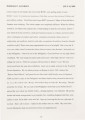
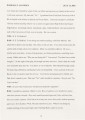
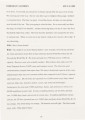
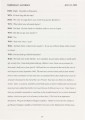
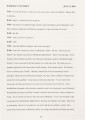
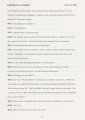
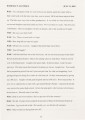
Show B RBARAP.JA OB J 11 2 02 BAR: I think it gave me a better appreciation for my country, d finit ly o. It gav m an in ight into war. I wa n't in it, a I aid. A girl friend wa in Europe. But it did giv me a real feeling about the war. When the Navy ailor would come back after being in the Pacific and tell me their storie , tho e were heart-rending experience . They really were. I was able to hear what was going on. On VJ Day my girl friend and I made the mi take of taking the bus and going downtown in Seattle. I mean people were ab olutely going crazy. They were so thrilled. We got right back on the bus and headed for the base, scared to death. All the Sailors were around kissing everyone. It was great though. It was. That was just the way it should have been. That knowledge of what actually happened, even though I didn't have it first hand, I had it a close second hand, and being part of the military gave me an understanding what a strong military is and what we can do. We can do almost anything. I had a good feeling within myself during that time. It was that, somehow, I was making a contribution. I was helping. It wasn't all joy and happiness, even though I experienced that too. It was also the feeling that "this is war". I know that we didn't go through the restrictions of gasoline and shoes and all the rest that civilians were doing at home. Meals were provided and we were getting along extremely well. In fact, while I was in Seattle, this sister-in-law of mine, Virginia came to Seattle and we went over to Victoria Island. When we came back on the ferry, everyone had on new shoes. They'd gone to Canada, to Victoria, to purchased new shoes, because there was a restriction on shoes in the States. We sat there on deck and watched all the people break in their new shoes. It was interesting. As I said, we didn't have restrictions, but I felt for the folks. I knew what was going on, but we didn't have those restrictions. Of course, we were restricted in other ways, in our actions, certainly. I felt good about the Service. I did. We were treated like ladies. I had absolutely no problems. I think that all 35 |
| Reference URL |
https://collections.lib.utah.edu/ark:/87278/s6v71mpg/1030781 |