| Title |
Barbara P. Jacobsen, Salt Lake City, Utah: an interview by Becky B. Lloyd, July 11, 2002: Saving the Legacy tape no. 465 |
| Alternative Title |
Barbara Jacobsen, Saving the legacy: an oral history of Utah's World War II veterans, ACCN 2070, American West Center, University of Utah |
| Creator |
Jacobsen, Barbara, 1922-2010 |
| Contributor |
Lloyd, Becky B.; University of Utah. American West Center |
| Publisher |
Digitized by J. Willard Marriott Library, University of Utah |
| Date |
2002-07-11 |
| Date Digital |
2015-12-16 |
| Access Rights |
I acknowledge and agree that all information I obtain as a result of accessing any oral history provided by the University of Utah's Marriott Library shall be used only for historical or scholarly or academic research purposes, and not for commercial purposes. I understand that any other use of the materials is not authorized by the University of Utah and may exceed the scope of permission granted to the University of Utah by the interviewer or interviewee. I may request permission for other uses, in writing to Special Collections at the Marriott Library, which the University of Utah may choose grant, in its sole discretion. I agree to defend, indemnify and hold the University of Utah and its Marriott Library harmless for and against any actions or claims that relate to my improper use of materials provided by the University of Utah. |
| Spatial Coverage |
Gulfport, Harrison County, Mississippi, United States; Seattle, King County, Washington, United States |
| Subject |
Jacobsen, Barbara, 1922-2010--Interviews; Veterans--Utah--Biography; World War, 1939-1945--Personal narratives, American; World War, 1939-1945--Women--United States--Biography; United States--Naval Reserve--Women's Reserve |
| Keywords |
WAVES |
| Description |
Transcript (37 pages) of an interview by Becky B. Lloyd with Barbara P. Jacobsen, on July 11, 2002. From tape number 465 in the "Saving the Legacy" Oral History Project |
| Collection Number and Name |
Accn2070, Saving the Legacy oral history project, 2001-2010 |
| Abstract |
Barbara (b. 1922) begins by telling about her rural childhood in Bennington, Idaho, including her entry into college at Utah State University, in Logan, Utah. Barbara wanted to enlist in 1942, but her father refused to give his permission so she accepted a contract to teach school for one year. She joined the WAVES in August 1943 and trained sailors in firing anti-aircraft guns. Interviewed by Becky Lloyd. 37 pages. |
| Type |
Text |
| Genre |
oral histories (literary works) |
| Format |
application/pdf |
| Extent |
37 pages |
| Language |
eng |
| Rights |
 |
| Scanning Technician |
Mazi Rakhsha |
| Conversion Specifications |
Original scanned with Kirtas 2400 and saved as 400 ppi uncompressed TIFF. PDF generated by Adobe Acrobat Pro X for CONTENTdm display |
| ARK |
ark:/87278/s6v71mpg |
| Topic |
Personal narratives--American; Veterans; World War (1939-1945); United States. Naval Reserve. Women's Reserve |
| Setname |
uum_slohp |
| ID |
1030784 |
| Reference URL |
https://collections.lib.utah.edu/ark:/87278/s6v71mpg |
| Title |
Page 8 |
| Format |
application/pdf |
| Setname |
uum_slohp |
| ID |
1030754 |
| OCR Text |
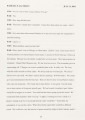
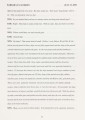
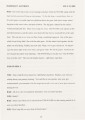
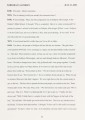
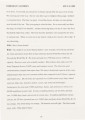
Show BARBARA P. JACOBSEN JULY 11, 2002 employment for millions of people during the Great Depression. The WPA operated in almost most every locality, especially in rural and western mountain areas. The WPA built many public buildings, projects and roads, and operated large arts, drama, media and literacy projects. It fed children, redistributed food, clothing and housing. The WPA employed a maximum of 3.3 million in November 1938. Worker pay was based on three factors: the region of the country, the degree of urbanization and the individual's skill. Pay varied from nineteen to ninety-four dollars per month. The goal was to pay the local prevailing wage, but to limit a person to thirty hours or less a week of work. The WPA ended in 1943 as the booming wartime economy eliminated the need.] I remember one specific cousin. They had a large family. They would get their check at the beginning of the month. By the end of the month, they were eating potato soup. The money had run out. It was tough for some. We were all not rich, but we had plenty to eat. I didn't feel, at that very early age, that anything was wrong except that there was the WPA. WIN: There wasn't that much change then for you. BAR: No, not really. WIN: Your family just carried on. So then when you entered high school, you went to Montpelier. BAR: Yes. WIN: Your whole family moved there, I guess, in the winter when there wasn't too much to do on the farm, to Montpelier. BAR: Yes. In fact, I had one year of junior high in Montpelier, eighth grade. WIN: High school was four years? BAR: Yes. 8 |
| Reference URL |
https://collections.lib.utah.edu/ark:/87278/s6v71mpg/1030754 |