| Title |
Max Eugene Harding, Salt Lake City, Utah: an interview by Becky B. Lloyd, March 4, 2006: Saving the Legacy tape no. 757 |
| Alternative Title |
Max Eugene Harding, Saving the legacy: an oral history of Utah's World War II veterans, ACCN 2070, American West Center, University of Utah |
| Creator |
Harding, Max Eugene, 1925-2012 |
| Contributor |
Lloyd, Becky B.; University of Utah. American West Center |
| Publisher |
Digitized by J. Willard Marriott Library, University of Utah |
| Date |
2006-03-04 |
| Date Digital |
2015-12-16 |
| Access Rights |
I acknowledge and agree that all information I obtain as a result of accessing any oral history provided by the University of Utah's Marriott Library shall be used only for historical or scholarly or academic research purposes, and not for commercial purposes. I understand that any other use of the materials is not authorized by the University of Utah and may exceed the scope of permission granted to the University of Utah by the interviewer or interviewee. I may request permission for other uses, in writing to Special Collections at the Marriott Library, which the University of Utah may choose grant, in its sole discretion. I agree to defend, indemnify and hold the University of Utah and its Marriott Library harmless for and against any actions or claims that relate to my improper use of materials provided by the University of Utah. |
| Spatial Coverage |
New Caledonia; Philippines; Hawaii |
| Subject |
Harding, Max Eugene, 1925-2012--Interviews; Veterans--United States--Biography; World War, 1939-1945--Personal narratives, American; World War, 1939-1945--Military operations, American; World War, 1939-1945--Campaigns--Pacific Area--Personal narratives, American |
| Keywords |
Warehouses |
| Description |
Transcript (43 pages) of an interview by Becky B. Lloyd with Max Eugene Harding on March 4, 2006. From tape number 757 in the "Saving the Legacy" Oral History Project |
| Collection Number and Name |
Accn2070, Saving the Legacy oral history project, 2001-2010 |
| Abstract |
Harding (b. 1925) was born in Provo, Utah. He discusses growing up on a farm, and his education. He was drafted in 1943, attended basic training, and was shipped to Noumea, New Caledonia, where he worked in a warehouse. He was also assigned to a post in the Philippines, where he was wounded and evacuated to Guam, then Hawaii. After his recovery he was assigned as an MP in the motor pool. After his discharge in 1945, Harding worked for Sears Roebuck for thirty-five years. Interviewed by Becky Lloyd. 43 pages. |
| Type |
Text |
| Genre |
oral histories (literary works) |
| Format |
application/pdf |
| Extent |
43 pages |
| Language |
eng |
| Rights |
 |
| Scanning Technician |
Mazi Rakhsha |
| Conversion Specifications |
Original scanned with Kirtas 2400 and saved as 400 ppi uncompressed TIFF. PDF generated by Adobe Acrobat Pro X for CONTENTdm display |
| ARK |
ark:/87278/s6059j08 |
| Topic |
Personal narratives--American; Veterans; World War (1939-1945) |
| Setname |
uum_slohp |
| ID |
1029516 |
| Reference URL |
https://collections.lib.utah.edu/ark:/87278/s6059j08 |
| Title |
Page 25 |
| Format |
application/pdf |
| Setname |
uum_slohp |
| ID |
1029497 |
| OCR Text |
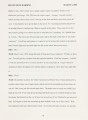
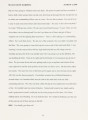
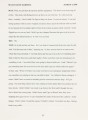
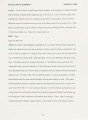
Show MAX EUGENE HARDING M R H 4, 2006 turning white. These paratroopers started dropping out on top of us in the ar a wh r w were. I'll tell you, that was hard because we were trying to watch wher they wer and yet we couldn't watch all around. When it finally got settled down quite a bit I found out a paratrooper had come down about twenty feet behind me. But somebody else took care of him. Then the thing that was so rough and cruel about this. As it was drawing on to night we could hear the chanting of these paratrooper soldiers, some of them were hung up in trees. When they could, they'd cut their shroud lines on the outside and swing back into the trunk of the tree and come down. Our cooks and our guys who didn't go out in combat every day, they loved that. They'd go up and cut those trees down because there was a lot of equipment that the paratroopers didn't bring down. They took that for souvenirs. As we'd go on patrols down on the jungle trails we might see a place where they were just laying out. Some were playing possum so we'd come down through where they'd do the most damage and take care of it. They really cut loose at us. Our leaders really were able to do this and protected us. Somebody had already taken care of them but they didn't know whether this was a dead one or a live one. I related a little bit that some of the native Filipinos were pro-Japanese. They'd been indoctrinated. They would house them up in their little stilt houses. So when we'd come into these places, we had one major; all he was carrying was his pistol. He'd go up and kick the door in and Bang, Bang, Bang. He'd take them out of there himself. It was bad. In fact, this one scout that had helped me other times check on the body I had, he was going to go over to some other shacks that were in the particular area, and I said, "Hey, Steve, don't go up there alone. I'll go up there with you." I was as loony as he 25 |
| Reference URL |
https://collections.lib.utah.edu/ark:/87278/s6059j08/1029497 |