| Title |
Peter Klinke, Salt Lake City, Utah: an interview by Unidentified, August 21, 2005: Saving the Legacy tape no. 733 & 744 |
| Alternative Title |
Peter Klinke, Saving the legacy: an oral history of Utah's World War II veterans, ACCN 2070, American West Center, University of Utah |
| Creator |
Klinke, Peter, 1920- |
| Contributor |
University of Utah. American West Center |
| Publisher |
Digitized by J. Willard Marriott Library, University of Utah |
| Date |
2005-08-21 |
| Date Digital |
2015-12-16 |
| Access Rights |
I acknowledge and agree that all information I obtain as a result of accessing any oral history provided by the University of Utah's Marriott Library shall be used only for historical or scholarly or academic research purposes, and not for commercial purposes. I understand that any other use of the materials is not authorized by the University of Utah and may exceed the scope of permission granted to the University of Utah by the interviewer or interviewee. I may request permission for other uses, in writing to Special Collections at the Marriott Library, which the University of Utah may choose grant, in its sole discretion. I agree to defend, indemnify and hold the University of Utah and its Marriott Library harmless for and against any actions or claims that relate to my improper use of materials provided by the University of Utah. |
| Spatial Coverage |
England, United Kingdom; Algeria; Tunisia; Italy |
| Subject |
Klinke, Peter, 1920- --Interviews; Veterans--Utah--Biography; World War, 1939-1945--Personal narratives, American; World War, 1939-1945--Aerial operations, American; World War, 1939-1945--Campaigns--Africa, North--Personal narratives, American |
| Keywords |
Army Air Corps; Ball turret gunners; Aerial gunners; Parachute instructors; VFW; Veterans of Foreign Wars |
| Description |
Transcript (72 pages) of an interview by an unidentifed interview with Peter Klinke on August 21, 2005. From tape numbers 733 and 744 in the "Saving the Legacy" Oral History Project |
| Collection Number and Name |
Accn2070, Saving the Legacy oral history project, 2001-2010 |
| Abstract |
Klinke (b. 1920) was born in Fortine, Montana. He joined the Air Corps as 18-years-old. He took basic training at Jefferson Barracks, Missiouri and airplane mechanic school at Keesler Field, Biloxi, Mississippi. He became a flight engineer and joined his crew in June 1942. The B-26 crew flew overseas in October 1942, and was based in North Africa. Klinke flew a total of twenty-one missions before being shot down over Italy. He hid with friendly villagers for several days until he returned to US lines and eventually back to North Africa. He was shipped home in November 1943 and was assigned as a gunnery instructor in Louisiana until discharged at the end of the war. Mr. Klinke operated a Christmas tree farm as a career and was active in several military organizations. 72 pages. |
| Type |
Text |
| Genre |
oral histories (literary works) |
| Format |
application/pdf |
| Extent |
72 pages |
| Language |
eng |
| Rights |
 |
| Scanning Technician |
Mazi Rakhsha |
| Conversion Specifications |
Original scanned with Kirtas 2400 and saved as 400 ppi uncompressed TIFF. PDF generated by Adobe Acrobat Pro X for CONTENTdm display |
| ARK |
ark:/87278/s6xw6mvs |
| Topic |
Personal narratives--American; Veterans; World War (1939-1945); Military operations, Aerial--American |
| Setname |
uum_slohp |
| ID |
1029078 |
| Reference URL |
https://collections.lib.utah.edu/ark:/87278/s6xw6mvs |
| Title |
Page 65 |
| Format |
application/pdf |
| Setname |
uum_slohp |
| ID |
1029069 |
| OCR Text |
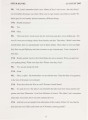
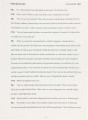
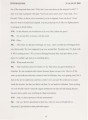
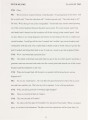
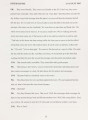
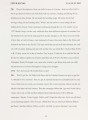
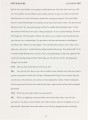
Show P T RKLI K 21 2 PK: Th y ar . Th y r r al friendly people. Like I ay w g t al ng ry w 11 together. We have people come from Canada come down and w ha gambling machines poker and keno machines in our post. They come down fr m anadaju t t play our machines. UNI: They don't have any in BC? PK: All they have is a dart machine. Someway they can play keno and that's it. More machines than I've ever seen, anyway. They just come down, "Hi, how are you?" We give them a drink. They get a free drink. UNI: Sounds like some place I'd like to visit (laughs). Mr. Klinke, let me ask you, how did you experiences in World War II shape the rest of your life? Did it benefit you? PK: I think it benefited me. I think I have more respect for other people, you know, that's why I'm so committed to the VFW, because we do so much for other people, you know, like in our community service and that. We lead all the parades that they have in town, like their _[unclear]_, which is Saturday. We asked the Legion to join us, but the VFW is always asked to lead the parade. We have the colors and that. Always one or two others, a thing at the rodeo, which is next week, and I have eight people going out there to present the colors there when they play the national anthem, six flags and two rifles, color guard. We just get invited to partake in different things at the senior citizens and that. Then I help the service office with handling hospital equipment and that and I've become quite involved in that. I say, probably, a fourth of my time is spent on VFW affairs. UNI: Wow. That's really wonderful. 64 |
| Reference URL |
https://collections.lib.utah.edu/ark:/87278/s6xw6mvs/1029069 |