| Title |
Peter Klinke, Salt Lake City, Utah: an interview by Unidentified, August 21, 2005: Saving the Legacy tape no. 733 & 744 |
| Alternative Title |
Peter Klinke, Saving the legacy: an oral history of Utah's World War II veterans, ACCN 2070, American West Center, University of Utah |
| Creator |
Klinke, Peter, 1920- |
| Contributor |
University of Utah. American West Center |
| Publisher |
Digitized by J. Willard Marriott Library, University of Utah |
| Date |
2005-08-21 |
| Date Digital |
2015-12-16 |
| Access Rights |
I acknowledge and agree that all information I obtain as a result of accessing any oral history provided by the University of Utah's Marriott Library shall be used only for historical or scholarly or academic research purposes, and not for commercial purposes. I understand that any other use of the materials is not authorized by the University of Utah and may exceed the scope of permission granted to the University of Utah by the interviewer or interviewee. I may request permission for other uses, in writing to Special Collections at the Marriott Library, which the University of Utah may choose grant, in its sole discretion. I agree to defend, indemnify and hold the University of Utah and its Marriott Library harmless for and against any actions or claims that relate to my improper use of materials provided by the University of Utah. |
| Spatial Coverage |
England, United Kingdom; Algeria; Tunisia; Italy |
| Subject |
Klinke, Peter, 1920- --Interviews; Veterans--Utah--Biography; World War, 1939-1945--Personal narratives, American; World War, 1939-1945--Aerial operations, American; World War, 1939-1945--Campaigns--Africa, North--Personal narratives, American |
| Keywords |
Army Air Corps; Ball turret gunners; Aerial gunners; Parachute instructors; VFW; Veterans of Foreign Wars |
| Description |
Transcript (72 pages) of an interview by an unidentifed interview with Peter Klinke on August 21, 2005. From tape numbers 733 and 744 in the "Saving the Legacy" Oral History Project |
| Collection Number and Name |
Accn2070, Saving the Legacy oral history project, 2001-2010 |
| Abstract |
Klinke (b. 1920) was born in Fortine, Montana. He joined the Air Corps as 18-years-old. He took basic training at Jefferson Barracks, Missiouri and airplane mechanic school at Keesler Field, Biloxi, Mississippi. He became a flight engineer and joined his crew in June 1942. The B-26 crew flew overseas in October 1942, and was based in North Africa. Klinke flew a total of twenty-one missions before being shot down over Italy. He hid with friendly villagers for several days until he returned to US lines and eventually back to North Africa. He was shipped home in November 1943 and was assigned as a gunnery instructor in Louisiana until discharged at the end of the war. Mr. Klinke operated a Christmas tree farm as a career and was active in several military organizations. 72 pages. |
| Type |
Text |
| Genre |
oral histories (literary works) |
| Format |
application/pdf |
| Extent |
72 pages |
| Language |
eng |
| Rights |
 |
| Scanning Technician |
Mazi Rakhsha |
| Conversion Specifications |
Original scanned with Kirtas 2400 and saved as 400 ppi uncompressed TIFF. PDF generated by Adobe Acrobat Pro X for CONTENTdm display |
| ARK |
ark:/87278/s6xw6mvs |
| Topic |
Personal narratives--American; Veterans; World War (1939-1945); Military operations, Aerial--American |
| Setname |
uum_slohp |
| ID |
1029078 |
| Reference URL |
https://collections.lib.utah.edu/ark:/87278/s6xw6mvs |
| Title |
Page 53 |
| Format |
application/pdf |
| Setname |
uum_slohp |
| ID |
1029057 |
| OCR Text |
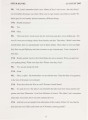
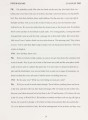
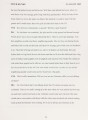
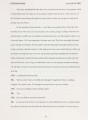
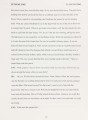
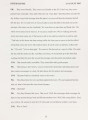
Show P T RKLI KE 21 2 0 back if w v got bombs we're going to bomb that town. My pilot aid I n t g with you. He said they were probably transit outfits and they re gone. o wh n w got back near that town we were following a railroad for navigation purposes. The main flight went over and bombed that town and they never had a shot fired at them. The anti-aircraft had moved out. We were going along and all of a sudden the bombardier said, 'Target, dead ahead. Bomb bay doors open." Bang. Dropped it. It was a railroad bridge. We blew that bridge up. The tail gunner verified. He said he saw a couple of anti-aircraft guns go up in the air, too, on that bridge. We got back to the base and reported to Intelligence. And they said, "Where was that bridge?" We told them about where it was. They sent a plane out, surveyed it, verified that the bridge had been blown up. They had sent B-17s in to bomb at high altitude, they missed it. They sent paratroopers in, they got captured. We come back putting along and blew that bridge up. My pilot got a DFC, Distinguished Flying Cross for that. UNI: And you just found that sort ofby luck, too? PK: Yes, just by luck. But we got a lot of credit for that. But the rest of the crew didn't get any recognition, but the pilot did get a Distinguished Flying Cross, because the pilot was the one on the mission, he was the one that dropped the bombs. All the bombardier did was open and close the doors and the pilot had a sight in front of him and he dropped the bombs. UNI: Were there any other really close encounters? PK: Well, you might say to a person that's never been there, they were all close encounters. You know, some of them were really extreme, like lots of fighters or lots of anti-aircraft. Then there were some where we just flying, dropping bombs and hardly 52 |
| Reference URL |
https://collections.lib.utah.edu/ark:/87278/s6xw6mvs/1029057 |