| Title |
Dorothy N. V. Smith, Salt Lake City, Utah: an interview by Becky B. Lloyd, March 13, 2002: Saving the legacy tape no. 435 |
| Alternative Title |
Dorothy N. V. Smith, Saving the legacy: an oral history of Utah's World War II veterans, ACCN 2070, American West Center, University of Utah |
| Creator |
Smith, Dorothy N. V., 1923- |
| Contributor |
Lloyd, Becky B.; University of Utah. American West Center |
| Publisher |
Digitized by J. Willard Marriott Library, University of Utah |
| Date |
2002-03-13 |
| Date Digital |
2015-09-16 |
| Access Rights |
I acknowledge and agree that all information I obtain as a result of accessing any oral history provided by the University of Utah's Marriott Library shall be used only for historical or scholarly or academic research purposes, and not for commercial purposes. I understand that any other use of the materials is not authorized by the University of Utah and may exceed the scope of permission granted to the University of Utah by the interviewer or interviewee. I may request permission for other uses, in writing to Special Collections at the Marriott Library, which the University of Utah may choose grant, in its sole discretion. I agree to defend, indemnify and hold the University of Utah and its Marriott Library harmless for and against any actions or claims that relate to my improper use of materials provided by the University of Utah. |
| Spatial Coverage |
San Ysidro, San Diego County, California, United States; Salt Lake City, Salt Lake County, Utah, United States |
| Subject |
Smith, Dorothy N. V., 1923- --Interviews; World War, 1939-1945--Personal narratives; United States. Naval Reserve. Women's Reserve--Biography; World War, 1939-1945--Women--United States--Biography; Veterans--Utah--Biography |
| Keywords |
Women Accepted for Voluntary Emergency Service in the U.S. Naval Reserve; WAVES |
| Description |
Transcript (26 pages) of an interview by Becky B. Lloyd with Dorothy N. Veenendaal Smith on March 13, 2001. This is from tape number 435 in the "Saving the Legacy Oral History Project |
| Collection Number and Name |
Accn2070, Saving the Legacy oral history project, 2001-2010 |
| Abstract |
Dorothy Smith (b. 1923) recalls her childhood in Salt Lake City and working in the Arms plant shortly after the attack on Pearl Harbor. She enlisted in the WAVES in October of 1944. She worked in the laundry, did secretarial work, and became a Teletype operator at Ream's Field in San Yisidro. She was discharged in November 1945. 26 pages. |
| Type |
Text |
| Genre |
oral histories (literary works) |
| Format |
application/pdf |
| Extent |
26 pages |
| Language |
eng |
| Rights |
 |
| Scanning Technician |
Mazi Rakhsha |
| Conversion Specifications |
Original scanned with Kirtas 2400 and saved as 400 ppi uncompressed TIFF. PDF generated by Adobe Acrobat Pro X for CONTENTdm display |
| ARK |
ark:/87278/s6wd5zsh |
| Topic |
Personal narratives--American; Veterans; World War (1939-1945); Women in war; United States. Naval Reserve. Women's Reserve |
| Setname |
uum_slohp |
| ID |
1020810 |
| Reference URL |
https://collections.lib.utah.edu/ark:/87278/s6wd5zsh |
| Title |
Page 9 |
| Format |
application/pdf |
| Setname |
uum_slohp |
| ID |
1020791 |
| OCR Text |
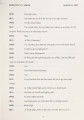
Show DOROTHY N.V. MITH R 1 20 2 BEC: Yeah. DOR: My folks couldn't afford college. In fact that wasn tin the curricula for any of us unless we did it ourselves, I guess. BEC: So you continued working, then the United States got involved in the war after December ih, got actively involved in the war. At that time you were working at American Linen, do you recall? DOR: BEC: DOR: BEC: Yeah, I quit them (laughs). Then I got on at Troy Laundry. Tri? Troy. Oh, Troy. DOR: Yes, they made it into a college later, up on Sixth East, I think it was, between Fourth and Fifth South is where they had it. Then the war broke out and the Arms Plant was going and I thought I'd like to go there, so I went out there. BEC: DOR: BEC: they'd hire you? DOR: BEC: fairly good money. DOR: Was it tough to get a job out there? Not too bad at first; then it wasn't too bad. If you were willing to work and had a little experience at work, then They didn't say that. They just took you (laughs). That must have been-I understand at the time they were paying Yes, it was better than the laundry. So, then, when it ended, I went back to Troy Laundry and worked under Civil Service, because the Army had taken over. BEC: The Army had taken over? 8 |
| Reference URL |
https://collections.lib.utah.edu/ark:/87278/s6wd5zsh/1020791 |