| OCR Text |
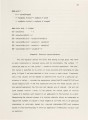
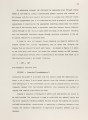
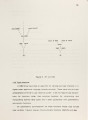
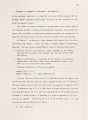
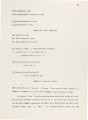
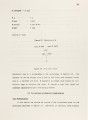
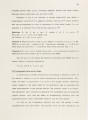
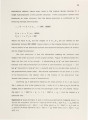
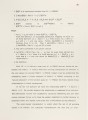
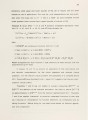
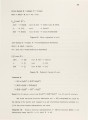
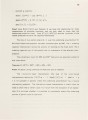
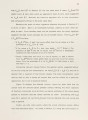
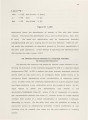
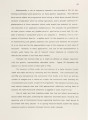
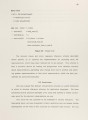
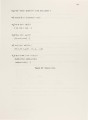
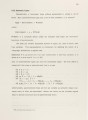
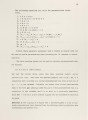
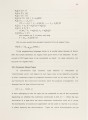
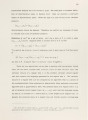
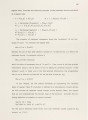
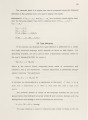
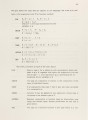
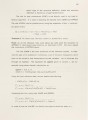
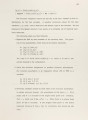
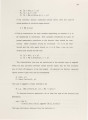
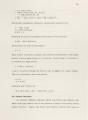
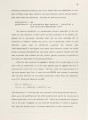
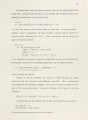
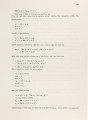
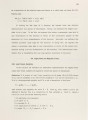
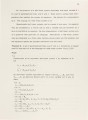
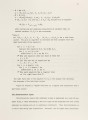
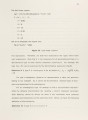
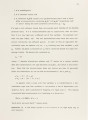
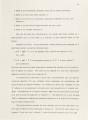
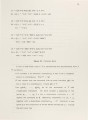
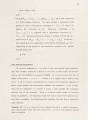
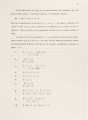
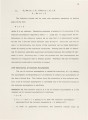
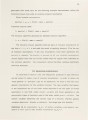
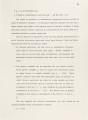
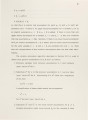
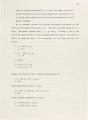
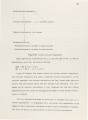
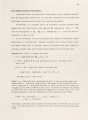
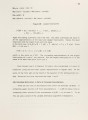
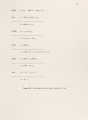
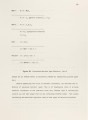
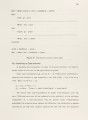
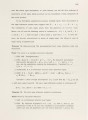
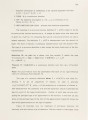
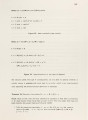
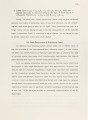
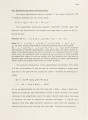
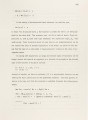
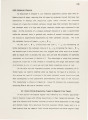
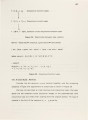
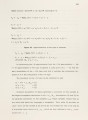
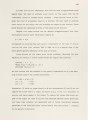
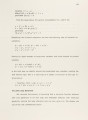
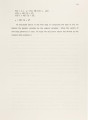
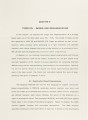
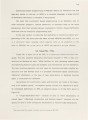
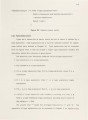
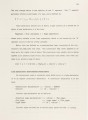
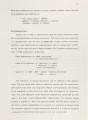
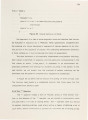
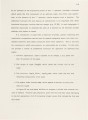
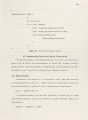
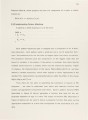
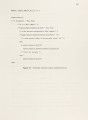
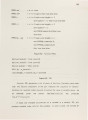
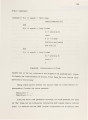
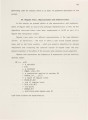
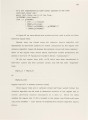
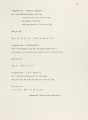
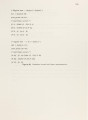
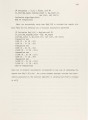
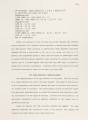
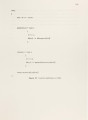
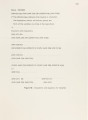
Show 37 pretations, yield upper and lower bounds of the set of re sults, and are often simpler to use in applications. The meet (or joi n) interpretations are only ava il able when the range (A2, in A 1 - > A2) is a meet- (or join)-complete (cl osed under greatest lower bounds (least upper bounds) of subsets of A2). Theorem 8: Given [[t]]:D - > R, D and R domains, acceptable abstraction maps Abs 1: 0 - > A 1, Abs2: R - > A2, A 1 and A2 finite domains, let: then: [[f]]i:a = I_I[{Abs2:[[f]]:x I Abs1:x =a}] [[f]]m:a = 10{Abs2:[[f]]:x I Abs1:x =a}] 1. [[f]]i,[[f]]m are continuous functions from A 1 - > A2. 2. vz,{ x I Abs 1 :x = a }, Abs2 :[[f]]:z ~ [[f]]m :a 3. Vz,{ x I Abs 1 :x = a } , Abs2 :[[f]]:z ~ [[f]]i :a Proof: Straightforward from Theorem 7 and continuity of meet and join over the powerdomain (p.477 [52]). In Figures 15 and 16 we present an application of the union-based and join abstract interpretations for the minor signature and relevant clause problems. For the relevant clause problem, the availability of a complete latt ice (A2 = Powerset[Ciause Numbers]) with ~ equal to Q suggests that the join inter-pretation should suffice. Theorems 7 and 8 are not helpful in actually computing [[f]]ub/ilm, as [[f]]ub/ifm are defined via the standard denotation . We need to derive [[tub/ Jim]] as approximations to [[f]]ub/j/m from the function representation for f. Theorems 7 and 8 are applied ''p iecewise·· to primitive interpreted functions (if-then-else etc.) inducing an interpretation for function defintions via composit ion and by taking fix-points. Before doing so, we need some results on funct ion appl ica-tion and composition : |