| Title |
Joseph M. Hebert, Salt Lake City., Utah: an interview by Winston P. Erickson, April 4, 5, 11, and 18, 2000: Saving the legacy tape no. 9, 10, 11, and 12 |
| Alternative Title |
Joseph M. Hebert, Saving the legacy: an oral history of Utah's World War II veterans, ACCN 2070, American West Center, University of Utah |
| Creator |
Hebert, Joseph M., 1924- |
| Contributor |
Erickson, Winston P., 1943-; University of Utah. American West Center |
| Publisher |
Digitized by J. Willard Marriott Library, University of Utah |
| Date |
2000-04-04; 2000-04-05; 2000-04-11; 2000-04-18 |
| Date Digital |
2015-09-16 |
| Access Rights |
I acknowledge and agree that all information I obtain as a result of accessing any oral history provided by the University of Utah's Marriott Library shall be used only for historical or scholarly or academic research purposes, and not for commercial purposes. I understand that any other use of the materials is not authorized by the University of Utah and may exceed the scope of permission granted to the University of Utah by the interviewer or interviewee. I may request permission for other uses, in writing to Special Collections at the Marriott Library, which the University of Utah may choose grant, in its sole discretion. I agree to defend, indemnify and hold the University of Utah and its Marriott Library harmless for and against any actions or claims that relate to my improper use of materials provided by the University of Utah. |
| Spatial Coverage |
Italy |
| Subject |
Hebert, Joseph M., 1924- --Interviews; World War, 1939-1945--Personal narratives, American; Veterans--Utah--Biography; World War, 1939-1945--Aerial operations, American; World War, 1939-1945--Campaigns--Europe, Southern--Personal narratives, American |
| Keywords |
Army Air Corps; B-24 bomber; Aerial gunner; Tuskegee Airmen; Colin Powell |
| Description |
Transcript (79 pages) of an interview by Winston P. Erickson with Joseph M. Hebert on April 4, 5, 11, and 18, 2000. This is from tape numbers 9, 10, 11, and 12 in the "Saving the Legacy Oral History Project |
| Collection Number and Name |
Accn2070, Saving the Legacy oral history project, 2001-2010 |
| Abstract |
Hebert (b. 1924) was raised in Washington and Indiana. He was inducted into the Army Air Corps in February 1943 on "limited service." After basic training in Florida he was assigned to the 484th Bomb Group, where he met the rest of his crew--the pilot, copilot, navigator, and bombardier. Hebert was the aerial gunner, completing the crew of this B24 Liberator. He describes his training and overseas flight experiences including flying with the Tuskegee airmen. Other topics covered include his relationship with Colin Powell, flying out of Toretta Base in Italy, aircraft types and battle strategies, flak, bombing Ploesti, Major General Bill Keese, jet airplanes, and his postwar life. 79 pages. |
| Type |
Text |
| Genre |
oral histories (literary works) |
| Format |
application/pdf |
| Extent |
79 pages |
| Language |
eng |
| Rights |
 |
| Scanning Technician |
Mazi Rakhsha |
| Conversion Specifications |
Original scanned with Kirtas 2400 and saved as 400 ppi uncompressed TIFF. PDF generated by Adobe Acrobat Pro X for CONTENTdm display |
| ARK |
ark:/87278/s6gj1h6n |
| Topic |
Personal narratives--American; Veterans; World War (1939-1945); Military operations, Aerial--American |
| Setname |
uum_slohp |
| ID |
1018293 |
| Reference URL |
https://collections.lib.utah.edu/ark:/87278/s6gj1h6n |
| Title |
Page 62 |
| Format |
application/pdf |
| Setname |
uum_slohp |
| ID |
1018270 |
| OCR Text |
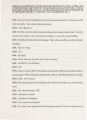
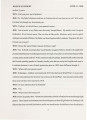
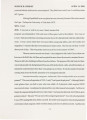
Show JOSEPH H. HEBERT APRIL 11,2000 them on the GI blankets, no questions asked. But remember what I said. Dismissed!" So everybody goes back to their tent. Who is going to risk not going home? I brought my .45 and machete and piled them on the blanket. Christ, there's a pile five feet high. Now to show you how you can be had. When we got down to the dock there was no shakedown inspection. We could have gone home with our .45s. But to show you one guy's ingenuity: He took his .45 and disassembled it. His canteen he sawed in half at the waist and put the parts inside the canteen. He had one of the guys in maintenance weld it back up. He filled it with oil and put it on his pistol belt. Anyone would think it was full of water, or that was emptyeither way. And he brought it home that way. DAN: In all your missions, was your plane ever damaged? JOE: Oh, yes. DAN: How severely and in what way? JOE: Engines were knocked out. Pieces of flak went through the fuselage. Once a piece of flak came through the fuselage in the waist compartment and severed the rudder cable. The pilot operated it with food pedals. As he would press the rudder would turn right or left, but without the cable you couldn't control nor land the plane. The flight engineer was a waist gunner. The pilot told me to get out of the tail turret and help Pearson see what we could do. He said, "Let's take the cable off a pulley to get some slack. Let's see if we can overlap the ends of the cable." It was not an easy task in flying clothes and holding an oxygen bottle. We found a hose and a large diameter bolt on the waist deck. Overlapping the cable ends, and using the bolt as a spacer, we made the connection. Then we told Creasman, "Okay, try it." And by God it worked. The upshot of that was that Creasman put Pearson and me in for the DFC, the Distinguished Flying Cross. But, again, the animosity that I mentioned earlier-it never got past the squadron commander. 57 |
| Reference URL |
https://collections.lib.utah.edu/ark:/87278/s6gj1h6n/1018270 |