| Title |
I. J. "Izzie" Wagner, Interviews with Jews in Utah, Accn 998 |
| Alternative Title |
Accn 998, Interviews with Jews in Utah, I. J. "Izzie" Wagner |
| Description |
Transcript (211 pages) of interview by Leslie Kelen with I. J. "Izzie" Wagner on August 9, 1983 for the Interviews with Jews in Utah Oral History Project. |
| Creator |
Wagner, I. J. (Irving Jerome), 1915-2005 |
| Contributor |
Kelen, Leslie G., 1949-; Oral History Institute |
| Publisher |
Digitized by J. Willard Marriott Library, University of Utah |
| Date |
1983-08-09 |
| Date Digital |
2015-07-06 |
| Access Rights |
I acknowledge and agree that all information I obtain as a result of accessing any oral history provided by the University of Utah's Marriott Library shall be used only for historical or scholarly or academic research purposes, and not for commercial purposes. I understand that any other use of the materials is not authorized by the University of Utah and may exceed the scope of permission granted to the University of Utah by the interviewer or interviewee. I may request permission for other uses, in writing to Special Collections at the Marriott Library, which the University of Utah may choose grant, in its sole discretion. I agree to defend, indemnify and hold the University of Utah and its Marriott Library harmless for and against any actions or claims that relate to my improper use of materials provided by the University of Utah. |
| Spatial Coverage |
Salt Lake City, Salt Lake County, Utah, United States, http://sws.geonames.org/5780993 ; Russia, http://sws.geonames.org/2017370 |
| Subject |
Jews, American--Utah--Interviews; Wagner, I. J. (Irving Jerome), 1915-2005--Interviews; Jews--Social life and customs; Salt Lake City (Utah); Peddling; Antisemitism--United States |
| Abstract |
Wagner (b. 1915) talks about his family background in Russia, his visit to Russia in 1961, and his father's life as a peddler, which led to the formation of the family business, Wagner Bag Company. He also discusses various businesses in Salt Lake City during the 1920s and 1930s and the condition of the West side during the same period, Prohibition, bootlegging, Shaary Tzedick, anti-Semitism, a man named Victor Lustig who sold counterfeiting machines, and the red light district. Other topics covered include relations with the Mormon community, various peddlers in Salt Lake, the Depression, his experiences with the Marine Corp in World War II, the expansion of the family business, selling war surplus, Wagner Industrial Park, wealthy and powerful people in Salt Lake, Trolley Square, the beautification of the downtown area, religious influences, working on the zoning board, history and preservation of historical sites, the history of Salt Lake City, and Franklin D. Roosevelt. |
| Type |
Text |
| Genre |
oral histories (literary works) |
| Format |
application/pdf |
| Extent |
211 pages |
| Language |
eng |
| Rights |
 |
| Is Part of |
Interviews with Jews in Utah collection, 1982-1988, http://archiveswest.orbiscascade.org/ark:/80444/xv70657/ |
| Scanning Technician |
Niko Amaya; Halima Noor |
| Conversion Specifications |
Original scanned with Kirtas 2400 and saved as 400 ppi uncompressed TIFF. PDF generated by Adobe Acrobat Pro X for CONTENTdm display |
| ARK |
ark:/87278/s6zk7bfp |
| Topic |
Jews, American; Jews--Social life and customs; Utah--Salt Lake City; Peddling; Antisemitism |
| Setname |
uum_iju |
| ID |
905071 |
| Reference URL |
https://collections.lib.utah.edu/ark:/87278/s6zk7bfp |
| Title |
Page 141 |
| Format |
application/pdf |
| Setname |
uum_iju |
| ID |
904999 |
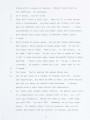
| OCR Text |
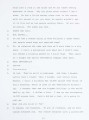
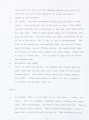
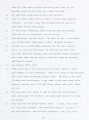
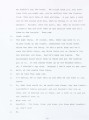
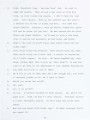
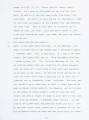
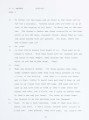
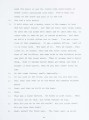
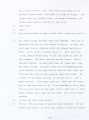
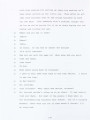
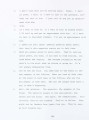
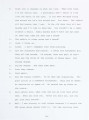
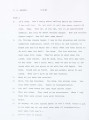
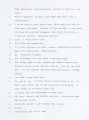
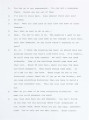
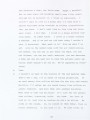
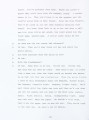
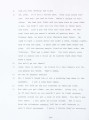
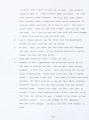
Show I: I don't know what you're talking about. Power. I have no power. I mean, if I . have to talk to the governor, anybody can talk to him. I just call up and get an appointment with him. L: Okay. I: If I want to talk to, if I want to talk to Bishop Brown, I'll call up and get an appointment with him. If I want to talk to President Kimball, I'll get an appointment with him. L: I asked you this large, general question about power. Now, here's this magazine coming out in Salt Lake. I: What are people going to write about. They're talking about power, you know, if you want to read stories, you read about the Inquiry. The average journalist writes what's in his mind, what he thinks is going on. It's not always necessarily true. L: Let me ask you this. You come back to the scene in the bag company in the fifties. When you look at Salt Lake at the scene in Salt Lake in the fifties, who are the big people in town here. Who are the people that have a say in what's happening. I: Well, the governor. The governor, the speaker of the house. The majority leader in the legislature, the senate and the house. The mayor, the commissioner. itically, they're the leaders. They're in office. might not be leaders four years from now. They're as hell leaders now. 1~0 PolThey sure |
| Reference URL |
https://collections.lib.utah.edu/ark:/87278/s6zk7bfp/904999 |