| Title |
Interviews with Japanese in Utah: Tasaku Kameda |
| Alternative Title |
Tasaku Kameda: interviews on May 10, 1984; June 6, 1984; June 13, 1984; June 20, 1984; and July 11, 1984 |
| Creator |
Kameda, Tasaku, 1895-1984 |
| Contributor |
Kelen, Leslie G., 1949- |
| Publisher |
Digitized by J. Willard Marriott Library, University of Utah |
| Date |
1984-05-10; 1984-06-06; 1984-06-13; 1984-06-20; 1984-07-11 |
| Date Digital |
2014-05-07 |
| Access Rights |
I acknowledge and agree that all information I obtain as a result of accessing any oral history provided by the University of Utah's Marriott Library shall be used only for historical or scholarly or academic research purposes, and not for commercial purposes. I understand that any other use of the materials is not authorized by the University of Utah and may exceed the scope of permission granted to the University of Utah by the interviewer or interviewee. I may request permission for other uses, in writing to Special Collections at the Marriott Library, which the University of Utah may choose grant, in its sole discretion. I agree to defend, indemnify and hold the University of Utah and its Marriott Library harmless for and against any actions or claims that relate to my improper use of materials provided by the University of Utah. |
| Spatial Coverage |
Laramie, Albany County, Wyoming, United States, http://sws.geonames.org/5830062/ ; Carbon County, Wyoming, United States, http://sws.geonames.org/5820552/ ; Japan, http://sws.geonames.org/1861060/ |
| Subject |
Kameda, Tasaku, 1895-1984--Interviews; Japanese Americans--Utah--Interviews; Sailors; Coal miners |
| Description |
Transcript (typescript, 29 pages) of a series of interviews with Tasaku Kameda, a Japanese-American living in Utah in 1984. Kameda (b. 1895) recalls his childhood in Japan, traveling in Asia and the middle East looking for work, England and Canada, life as a seaman, and working in a coal mine. Other topics covered include ethnic groups working in mines and on the railroad, Japanese philosophy and religion, the Oriental Exclusion Act of 1924, union organizers, and travels around the United States |
| Type |
Text |
| Genre |
oral histories (literary works) |
| Format |
application/pdf |
| Language |
eng |
| Rights |
 |
| Relation |
http://archiveswest.orbiscascade.org/ark:/80444/xv45901 |
| Scanning Technician |
Matt Wilkinson |
| Conversion Specifications |
Original scanned with Kirtas 2400 and saved as 400 ppi uncompressed TIFF. PDF generated by Adobe Acrobat Pro 9 for CONTENTdm display |
| ARK |
ark:/87278/s6qr6dv2 |
| Topic |
Japanese Americans; Sailors; Coal miners |
| Relation is Part of |
Mitsugi M. Kasai Memorial Japanese American Archive |
| Setname |
uum_ijau |
| ID |
900256 |
| Reference URL |
https://collections.lib.utah.edu/ark:/87278/s6qr6dv2 |
| Title |
Page 21 |
| Format |
application/pdf |
| Setname |
uum_ijau |
| ID |
900234 |
| OCR Text |
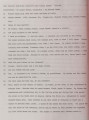
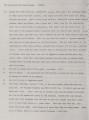
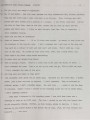
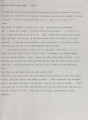
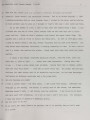
Show OHI intaview with Tasaku Kameda 6/6/84 3 ~ roc.ms and one roan had two living there. In the ciJ .er bunk house, with three roa:n.s, there were two single men in a rOCJn - so six in a bunk house - that was the arrange-ment. LK Were the Japanese segregated? TK I think that was the arrangement. There were many Greeks not many Italians. When I first worked there, there weren't many Italians. They didn't sean to like to work in the mines or didn't know about it. Mayre that's the reason. In Italy, there aren't many mines canpa.red to Northem Eurqpe like Bulgaria, Yugoslavia; there were many from that area. Chinese are fotmd all over the world so there were many Chinese but not in the mine. In town, there were three or five stores nmned by Chinese. The first thing they do in a coal town, they start a latmdry if they had ~ a bucket. Then if· they can afford to buy pots and pans, they S(X)n start a restaurant. LK What did you do with all that money? TK Anyplace I go I work conscientiously so I saved - very rarely I had less than $1,000. Most of the other miners gambled their money away. LK Where d.:it! you deposit the money? TK In the bank. LK Were you mailing any money back to Japan? TK I didn' t send a cent to Japan. Those who had wives in Japan did send money to Japan. LK Did you maintain contact or correspondence with people in Japan? TK It • s a strange thing - as I think back to ~ey childhood - I realized the difference between my father and ley way of living. Now that I have time and when I feel gocxi, I read old newspapers and old magazines. Along that line in the olden tines, people used to say that "Birth is much but breeding is more." It's arout lineage, heritage, but breeding from birth, fran the time a child is able to understand, gradually to mischivous boy being told and scolded, until he becanes an adult. The child mends his ways gradually at each stages of growth- that's breeding. In a strict |
| Reference URL |
https://collections.lib.utah.edu/ark:/87278/s6qr6dv2/900234 |