| Title |
C. R. Rockwell, Golden Spike Oral History Project, GS-16, American West Center, University of Utah |
| Creator |
Rockwell, C. R. (Clarence R.), 1920-2017 |
| Contributor |
Thompson, Gregory C. (Gregory Coyne), 1943-; Notarianni, Philip F.; University of Utah. American West Center |
| Publisher |
Digitized by J. Willard Marriott Library, University of Utah |
| Date |
1974-08-30 |
| Date Digital |
2015-06-17 |
| Spatial Coverage |
Promontory (historical), Box Elder County, Utah, United States, http://sws.geonames.org/5780007/ |
| Access Rights |
I acknowledge and agree that all information I obtain as a result of accessing any oral history provided by the University of Utah's Marriott Library shall be used only for historical or scholarly or academic research purposes, and not for commercial purposes. I understand that any other use of the materials is not authorized by the University of Utah and may exceed the scope of permission granted to the University of Utah by the interviewer or interviewee. I may request permission for other uses, in writing to Special Collections at the Marriott Library, which the University of Utah may choose grant, in its sole discretion. I agree to defend, indemnify and hold the University of Utah and its Marriott Library harmless for and against any actions or claims that relate to my improper use of materials provided by the University of Utah. |
| Subject |
Rockwell, C. R.--Interviews; Golden Spike National Historic Site (Utah)--History; Railroads--Employees--Biography |
| Description |
Transcript (18 pages) of interview by Greg Thompson and Phil Notarianni with C. R. Rockwell on August 30, 1974 for the Golden Spike Oral History Project. |
| Collection Number and Name |
Ms0095, Golden Spike oral history project, 1947-1974 |
| Abstract |
Rockwell (b. 1920) recalls his family and childhood in Iowa, going to work for the railroad in 1937, military service, the Union Pacific Magazine, Bernice Anderson, the Utah Golden Spike Centennial Commission, Bill Kruiger, the Southern Pacific railroad, the Utah Travel Council, Thomas Goodfellow, and the centennial celebration. Interviewed by Greg Thompson and Phil Notarianni. 18 pages. |
| Type |
Text |
| Genre |
oral histories (literary works) |
| Format |
application/pdf |
| Language |
eng |
| Rights |
 |
| Scanning Technician |
Niko Amaya; Halima Noor |
| Conversion Specifications |
Original scanned on Epson Expression 10000 XL and saved as 400 ppi TIFF. Display image generated in Acrobat Pro X as PDF |
| ARK |
ark:/87278/s6gn02c5 |
| Topic |
Utah--Golden Spike National Historic Site; Railroads--Employees |
| Setname |
uum_gsohp |
| ID |
866746 |
| Reference URL |
https://collections.lib.utah.edu/ark:/87278/s6gn02c5 |
| Title |
Page 6 |
| Format |
application/pdf |
| Setname |
uum_gsohp |
| ID |
866721 |
| OCR Text |
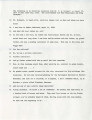
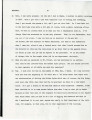
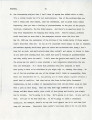
Show ROCKWELL · 3 T: What was your mother's maiden name? R: Weiss, German family, in Omaha, and her parents migrated from Germany, from Austria I should say, near the border and lived in an area that was predominantly Germans. N: What was life like growing up in that area? R: Well, I grew up in Council Bluffs which was a small town living with not too many paved streets out in the residential areas and I was associated with_ my grandfather's type of living mainly· since my dad worked with. him, and the first house I can remember we lived in was a small one ..-room house covered with_ tar paper, black tar paper on the outside, with a big old wood-burning kitchen stove at one end and a bed down at the other and a dining room table and a few chairs, a stand with a big water bucket on it so that we had to go outside to get water to pump, and outhouses. I can recall the next house we lived in which we were so happy with because it had running water, although it had no drain so you had to have a bucket under the sink, for exampl~. T: But at least you -had running water. R: But you had running water. And my grandfather's barns and,s.lllall paature. areas. maybe one or two building lots in size were all right there. We lived right there next to my grandfather. Down at the end of the block was th.e. blacksmith's shop so that you could get the feel of the real old dirt floor of the blacksmith's. shop where the guy is making horseshoes, instead of just fitting them as they do today, and making whatever they needed for my granqfather's equipment. Just fabricating them out of metal. Lou Doty was the Blacksmith. We knew him for years and years. We used to go down and watch the muleskinners, tea~ters, at their Saturday night craps games after they got pa:i~. It was an interesting place " to grow up, and the kind of a place where you didn ' 't even worry about · kids the |
| Reference URL |
https://collections.lib.utah.edu/ark:/87278/s6gn02c5/866721 |