| OCR Text |
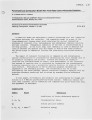
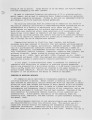
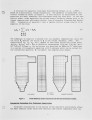
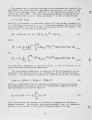
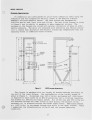
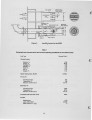
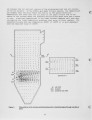
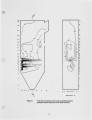
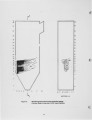
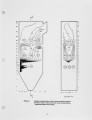
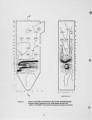
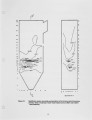
Show ist between the hot and cool regions of the alternating fuel and air nozzles of the two burners. In the middle and upper furnace regions, the temperatures are highest near the walls where the flow is in the upward direction. Temperatures are lower near the air ports in the upper furnace and in the center of the furnace where the downward recirculating gases have had a chance to cool. Predicted temperatures in the lower furnace compared well with data considering the large temperature gradients that exist in those regions. The predicted furnace exit gas temperature (FEGT) of 15000K is in good agreement with the measured value of 1566°K. Figure 4. · , • • • • • • • • • • • • . .. · , " .. , " \ · .. ~ " ~ · " , " " " \ " " ~ " .,. ". l' • ff fI ". , t f r f . ! ~__'_~_\ -."-_"__~__ _ --~~ I 1:" ....... ~>_~~~~ ~7;::::: ~~~??~ t t l' , f , A OFA ~ PORT j: :. -: : : . - OFA __ _ PORTJ~ :- ~ -. .. , , . . . . .. .. .- OFA - - - - -- - - • ... .. L . _- ;_-["OORFAT - _ OFA _~-CORT PORT 1-:--: -: -: ... - __ OFA L._: __: _ _: _ _· _~ _____________________-_ _~ =r-PORT SECTION A-A AP AIR PORT BNR BURNER OFA OVERFIRE AIR PORT Flow patterns at the furnace centerline plane and at a horizontal plane through overflre air ports. 18 |