| OCR Text |
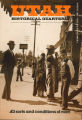
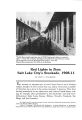
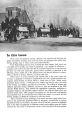
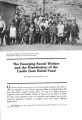
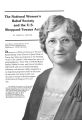
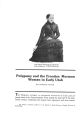
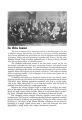
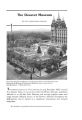
Show In this issue Wars, social and political ferment, disasters, and experimental life- styles stir public and private emotions and create the issues and responses with which individuals, groups, and, at times, entire generations identify. Utah Episcopalians did not seem to mind that their bishop, Paul Jones, was a Socialist and a pacifist; but when he remained - as a matter of conscience - consistent and vocal in his views after the U. S. entered World War I, reaction from his flock was swift and predictable. Jones's fellow Socialists, as described in the following article, added zest to the political scene and elected officials in communities as diverse as Salina, Elsinore, and Salt Lake City. Other forms of social awareness and concern rose in the yeasty teens and twenties. A progressive workmen's compensation law and a generous public subscription aided families of miners killed at Castle Gate in 1924 ( Greek burial procession shown above). A full- time social worker was hired to serve the needs of the widows and children, and that set a precedent. The welfare of women and children, especially during childbirth, became an issue for members of the LDS church's Relief Society. They lobbied for appropriate legislation, established a maternity hospital, and provided support services that reduced high infant and maternal death rates. Their program succeeded, but the financial underpinning was snatched away by reactionaries who labeled the women as neurotic and the federal funding as Bolshevik interference with the family. These twentieth- century bubblings of the social stew seem tepid indeed compared to the controversy generated earlier by polygamy. Contributing to a growing body of work on the subject, the final article in this issue presents an insightful look at the effect of polygamy on Mormon women and suggests areas for further research that may make a comprehensive study of this alternative life- style possible. m The Right Reverend Paul Jones, fourth Episcopal bishop of Utah, 1914- 18, was forced to resign because of his pacifist views. USHS collections. f il :.:. SM: :": 1 .. LL;^.;|:: L|; Li: p: * mPim. £*^ MZ, |